Sand Making Machines
Sand Making Machinery Trends in the Global Construction Industry
The construction industry is continuously evolving, driven by urbanization, infrastructure development, and the rising demand for high-quality building materials. One of the key components in construction is sand, a critical raw material used in concrete, asphalt, and various other applications. With natural sand resources becoming increasingly scarce and environmental regulations tightening, sand making machinery has emerged as a vital solution for producing artificial sand and optimizing aggregate production. This article explores the current trends in sand making machinery within the global construction industry, highlighting technological innovations, market dynamics, and sustainability considerations.
1. Rising Demand for Artificial Sand
Globally, natural sand is becoming a limited resource due to over-extraction, ecological concerns, and transportation costs. Consequently, artificial sand production has gained momentum. Sand making machinery plays a pivotal role in producing high-quality manufactured sand (M-sand) that meets construction standards. Countries such as India, China, Brazil, and the Middle East are witnessing significant growth in M-sand production due to booming infrastructure projects and urban development.
This trend emphasizes the need for machinery capable of producing consistent particle size, high-quality sand, and minimal waste. Modern sand making machines, such as vertical shaft impact crushers (VSI), are designed to meet these demands efficiently.
2. Technological Innovations in Sand Making Machinery
The global sand making machinery market is increasingly driven by technological advancements aimed at improving productivity, reducing energy consumption, and enhancing product quality. Key innovations include:
Vertical Shaft Impact Crushers: VSI crushers have become the preferred choice for producing fine, cubical sand with uniform particle size. Their design allows for efficient crushing with minimal abrasion, reducing wear costs and extending equipment life.
Automated Control Systems: Integration of digital control systems allows operators to monitor production in real-time, adjust settings, and optimize output without constant manual intervention. These systems also help reduce downtime and improve safety.
Energy-Efficient Motors and Drives: Manufacturers are incorporating energy-saving technologies to reduce power consumption, an essential factor given the high energy demands of sand making operations.
Wear-Resistant Materials: Advancements in metallurgy have led to the development of wear-resistant liners and components, which enhance machine durability and reduce maintenance costs.
These innovations make modern sand making machinery more reliable, efficient, and cost-effective, meeting the evolving needs of the construction sector.
3. Increasing Adoption of Mobile Sand Making Plants
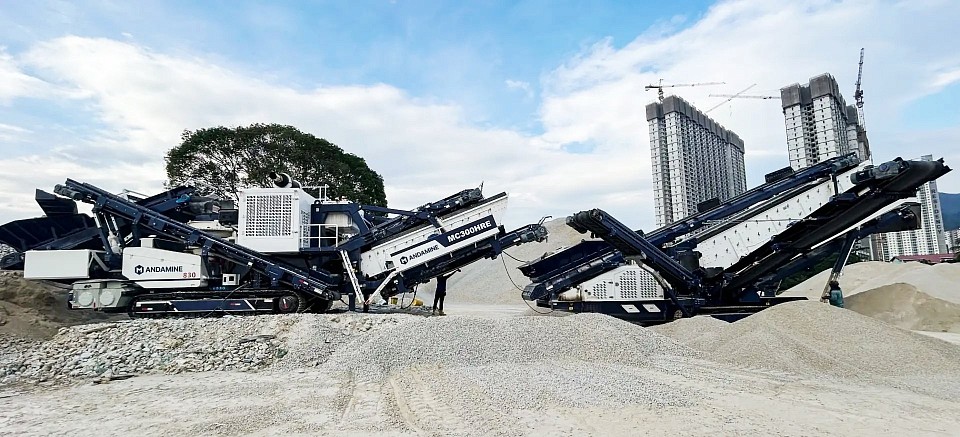
Mobility is becoming an essential factor in construction and mining operations. Mobile sand making plants offer flexibility, allowing machinery to be relocated easily between sites. This is particularly advantageous in large-scale infrastructure projects, road construction, and remote areas where stationary plants are not feasible.
Mobile sand making machinery typically combines crushing, screening, and conveying systems in one compact unit, reducing setup time and transportation costs. Contractors benefit from faster deployment, reduced operational overheads, and the ability to respond to changing project demands efficiently.
4. Focus on Sustainable Construction Practices
Sustainability is a growing priority in the global construction industry. Excessive extraction of river sand has led to ecological damage, including riverbank erosion and habitat loss. In response, many countries are encouraging the use of artificial sand produced by sand making machinery as a more sustainable alternative.
Modern sand making equipment is designed to minimize dust, reduce noise pollution, and lower energy consumption. Some advanced systems incorporate closed-loop water recycling to reduce water usage during sand washing and dust suppression. By adopting these environmentally friendly technologies, construction companies can comply with regulatory standards while contributing to a greener industry.
5. Customization and Scalability
Global construction projects vary widely in scope, from small residential developments to massive infrastructure undertakings. Sand making machinery is evolving to meet these diverse needs through modular designs, scalable capacities, and customizable features.
Manufacturers now offer machines with adjustable output rates, different crushing chamber configurations, and interchangeable wear parts. This allows operators to optimize sand production for specific applications, whether it’s fine sand for plastering, coarse sand for concrete, or specialty sand for industrial purposes.
6. Market Dynamics and Regional Trends
The demand for sand making machinery is influenced by regional construction activity, regulatory policies, and resource availability:
Asia-Pacific: Countries like China and India are leading the market due to rapid urbanization and large infrastructure programs. The adoption of VSI crushers and mobile sand making plants is particularly high in these regions.
Middle East & Africa: Desert regions with limited natural sand deposits rely heavily on artificial sand production. Mobile and compact sand making plants are in demand for their flexibility and low footprint.
Europe & North America: Sustainability regulations drive the use of energy-efficient and environmentally friendly sand making machinery. Recycling of construction waste into sand substitutes is also gaining attention.
Understanding these regional trends helps manufacturers and contractors align their strategies with market needs and emerging opportunities.
7. Future Outlook
The future of sand making machinery is closely tied to innovations in automation, AI-driven process optimization, and sustainable practices. As construction projects grow in complexity, machinery that offers higher efficiency, lower environmental impact, and consistent product quality will dominate the market. Additionally, the increasing popularity of precast and ready-mix concrete encourages the adoption of high-performance sand production solutions to meet precise specifications.
Conclusion
Sand making machinery has become an indispensable part of the global construction industry, driven by the need for artificial sand, technological innovations, and sustainable practices. From vertical shaft impact crushers to mobile sand making plants, modern equipment offers efficiency, flexibility, and high-quality output. Regional construction demands and environmental regulations continue to shape market trends, making it essential for contractors, developers, and equipment suppliers to stay informed about advancements in sand making technology.
Investing in advanced sand making machinery not only enhances productivity and quality but also supports environmentally responsible construction. As urbanization accelerates and natural sand resources dwindle, these trends are set to define the next era of construction material production worldwide.