
Mobile Jaw Crusher for Sale
Why After-Sales Service Matters When Choosing a Stone Crusher Supplier
When investing in crushing equipment for mining, quarrying, or construction projects, many buyers focus mainly on machine specifications, capacity, and price. However, one of the most critical yet often underestimated factors is after-sales service. Choosing the right stone crusher supplier is not only about purchasing equipment—it is about building a long-term partnership that ensures stable operation, maintenance support, and continuous productivity. This becomes even more important when operating specialized equipment such as a cobblestone crusher, which is widely used in aggregate production and road construction materials.
The Real Value of After-Sales Service in Crushing Operations
A stone crusher is not a simple machine—it is a heavy-duty industrial system that operates under high pressure, abrasive conditions, and continuous workloads. Over time, components such as jaw plates, blow bars, bearings, and belts naturally wear out. Without proper support from the supplier, even a small mechanical issue can lead to long downtime and production losses.
This is why after-sales service is a key factor when selecting a stone crusher supplier. Reliable suppliers provide technical assistance, spare parts availability, and maintenance guidance to ensure that the equipment continues to run efficiently. In industries where production schedules are tight, even a few hours of downtime can lead to significant financial losses.
For operators using a cobblestone crusher, which often handles hard and abrasive river stones, after-sales service becomes even more important due to the higher wear rate of crushing components.
Spare Parts Availability and Equipment Longevity
One of the biggest advantages of strong after-sales support is guaranteed access to spare parts. Stone crushers rely on precision-engineered components, and using low-quality or incompatible parts can reduce efficiency and even damage the machine.
A professional stone crusher supplier ensures that spare parts are readily available and manufactured to match original specifications. This helps extend equipment lifespan and maintain stable performance.
For example, a cobblestone crusher working in high-volume aggregate production requires frequent replacement of wear parts. Without a reliable supply chain, operators may face long delays waiting for components, which directly affects project timelines and profitability.
Technical Support and On-Site Assistance
Another critical element of after-sales service is technical support. Even with high-quality equipment, incorrect installation or improper operation can lead to performance issues. A trustworthy stone crusher supplier provides installation guidance, commissioning support, and operator training to ensure the machine is used correctly from the beginning.
In more complex cases, on-site technical assistance may be required to diagnose and resolve mechanical or electrical issues. Suppliers with strong service networks can dispatch engineers quickly, minimizing downtime and restoring production efficiently.
This is especially important for a cobblestone crusher used in remote quarry sites, where local technical expertise may be limited. Fast response from the supplier can make a significant difference in maintaining continuous production.
Reducing Downtime and Increasing Productivity
In crushing operations, downtime is one of the most expensive problems. Every hour of halted production means lost output, delayed deliveries, and increased operational costs. After-sales service plays a direct role in reducing these risks.
A reliable stone crusher supplier not only provides quick repairs but also preventive maintenance schedules. Regular inspections help identify potential issues before they become major failures. This proactive approach ensures smoother operation and higher productivity.
For businesses using a cobblestone crusher in large-scale aggregate production, minimizing downtime is essential to meet construction demand and maintain contract commitments.
Training and Operator Efficiency
Even the most advanced stone crushing equipment requires skilled operators. Poor operation can lead to uneven wear, reduced efficiency, and unnecessary breakdowns. That is why many leading stone crusher suppliers offer operator training as part of their after-sales service package.
Training programs typically cover equipment startup procedures, safety protocols, maintenance routines, and troubleshooting techniques. Well-trained operators can significantly improve machine performance and reduce operational risks.
In the case of a cobblestone crusher, proper training ensures that hard and abrasive materials are processed efficiently without overloading the system or damaging key components.
Long-Term Cost Control and Investment Protection
While some buyers focus on getting the lowest initial price, the total cost of ownership is often determined by long-term operational efficiency. Strong after-sales service helps reduce maintenance costs, extend equipment lifespan, and improve overall productivity.
A reliable stone crusher supplier acts as a long-term partner, helping customers optimize machine performance throughout its lifecycle. This reduces unexpected repair costs and protects the initial investment.
For example, timely replacement of wear parts in a cobblestone crusher can prevent more serious mechanical damage, saving operators from costly repairs or full equipment replacement.
Building Trust and Business Reliability
After-sales service also reflects the credibility and professionalism of a supplier. Companies that invest in service networks, spare parts warehouses, and technical teams demonstrate long-term commitment to customer success.
When selecting a stone crusher supplier, buyers should evaluate not only the equipment quality but also the supplier’s service capability. A strong service system builds trust and ensures stable cooperation for future projects and equipment upgrades.
This is especially important in competitive industries where long-term partnerships can lead to better pricing, priority support, and customized solutions for specific applications like cobblestone crusher operations.
Conclusion
After-sales service is not an optional benefit—it is a critical factor that directly affects the performance, reliability, and profitability of crushing operations. When choosing a stone crusher supplier, buyers must consider technical support, spare parts availability, maintenance services, and training programs in addition to machine specifications and price.
For demanding applications such as a cobblestone crusher, strong after-sales support ensures continuous production, reduced downtime, and extended equipment life. Ultimately, a supplier with excellent service capability does not just sell machinery—they provide long-term operational security and business value for their customers.
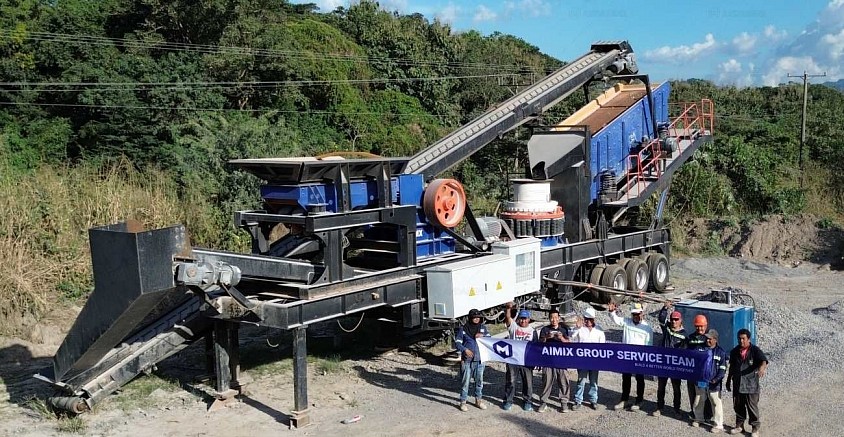
How Stone Crusher Plant Cost Impacts Investment Decisions in Crushing Businesses
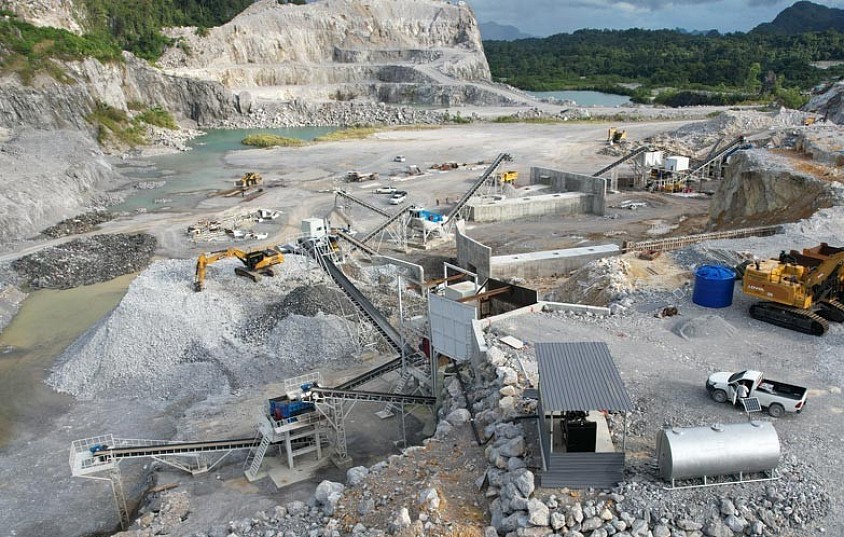
The stone crusher plant cost is one of the most critical factors influencing investment decisions in the crushing and aggregate production industry. Whether for quarrying, mining, infrastructure construction, or recycling operations, investors must carefully evaluate not only the initial purchase price but also long-term operational efficiency, maintenance requirements, and return on investment. For any stone crusher business investment, understanding cost structure is essential to building a sustainable and profitable operation.
In today’s competitive market, crushing plants are no longer viewed as simple machinery purchases. Instead, they are considered complete production systems that directly determine business performance, production capacity, and market competitiveness.
Key Components That Define Stone Crusher Plant Cost
The total cost of a stone crusher plant is influenced by multiple factors, and each component plays a role in shaping overall investment requirements. One of the primary cost drivers is production capacity. Small-scale plants designed for local aggregate supply require significantly lower investment compared to large-scale industrial crushing systems used in highways, mining, or commercial construction projects.
Another major factor is equipment configuration. A basic crushing setup may include a jaw crusher and vibrating screen, while more advanced systems integrate cone crushers, impact crushers, sand making machines, and multiple screening units. The more complex the configuration, the higher the overall investment cost.
Automation level also significantly impacts pricing. Modern plants equipped with intelligent control systems, real-time monitoring, and automated feeding systems tend to have higher upfront costs but offer better efficiency and lower labor requirements over time.
How Cost Influences Stone Crusher Business Investment Strategy
For any stone crusher business investment, cost analysis is directly linked to financial planning and risk management. Investors must evaluate whether the expected production output and market demand justify the initial capital expenditure.
A lower-cost plant may seem attractive initially, but it may come with limitations such as lower production efficiency, higher maintenance frequency, and shorter equipment lifespan. On the other hand, higher-quality plants require greater initial investment but often provide better long-term returns due to improved durability and operational stability.
Successful investors typically focus on total lifecycle value rather than just upfront pricing. This includes considering maintenance costs, spare parts availability, energy consumption, and production efficiency over several years of operation.
Market Demand and Its Influence on Investment Decisions
Market demand plays a significant role in determining the appropriate level of investment in a stone crushing plant. In regions with rapid infrastructure development, demand for high-quality aggregates is consistently strong. This encourages investors to invest in larger, more efficient crushing systems to maximize production capacity.
In contrast, smaller markets or rural areas may require compact and mobile crushing solutions with lower investment requirements. In such cases, flexibility and mobility become more important than large-scale production capacity.
The alignment between market demand and plant capacity is essential for ensuring profitability. Over-investment can lead to underutilized equipment, while under-investment may limit production capacity and reduce competitiveness.
Role of Equipment Quality in Cost Efficiency
Equipment quality is another key factor that influences stone crusher plant cost and long-term investment success. High-quality machines are typically manufactured with stronger steel structures, wear-resistant components, and advanced engineering designs that reduce downtime and maintenance needs.
Reliable equipment ensures stable production, consistent output quality, and longer service life. This directly reduces operational risks for investors involved in stone crusher business investment projects.
Additionally, high-quality plants often feature energy-efficient systems that reduce electricity or fuel consumption. Over time, these savings can significantly improve overall profitability, even if the initial investment cost is higher.
Mobile vs Stationary Plant Cost Considerations
Another important cost factor is the choice between mobile and stationary crushing plants. Mobile plants generally require lower installation costs and offer greater flexibility, making them suitable for short-term projects or remote locations.
Stationary plants, however, are designed for long-term, high-volume production. While their initial setup cost is higher due to infrastructure requirements such as foundations and site preparation, they often deliver lower cost per ton of material over time.
Investors must carefully evaluate project duration, location, and production requirements when choosing between these two systems.
Operational Costs and Long-Term Profitability
Beyond initial investment, operational costs play a major role in determining the success of a stone crushing business. These include labor costs, maintenance expenses, energy consumption, and spare parts replacement.
Efficient crushing plants are designed to minimize these operational costs through automation, optimized crushing chambers, and durable wear parts. Reduced downtime and consistent performance contribute directly to higher productivity and profitability.
For investors, understanding the balance between capital expenditure and operating cost is essential for making informed decisions in the stone crusher business investment process.
Conclusion
The stone crusher plant cost is not just a purchasing consideration—it is a strategic factor that shapes the entire investment decision in crushing businesses. From equipment configuration and production capacity to automation level and operational efficiency, every element influences long-term profitability.
For investors entering the stone crushing industry, focusing solely on low initial cost can be risky. Instead, evaluating lifecycle cost, equipment quality, and market demand ensures more stable returns and sustainable business growth.
Ultimately, a well-planned stone crusher business investment balances cost control with performance optimization, enabling operators to achieve long-term success in a highly competitive construction and aggregate market.
Market Overview of Crusher Plant Price in Peru for Mining Industry Buyers
The crusher plant price in Peru has become an increasingly important topic for mining industry buyers due to the country’s strong reliance on copper, gold, and aggregate production. In 2026, Peru continues to attract investment in mining infrastructure, which directly drives demand for crushing equipment. As a result, the overall market shows a wide price range depending on plant capacity, configuration, and supplier origin. At the same time, many investors also evaluate the broader stone crusher plant cost to understand the full investment required for setting up a complete crushing operation.
Overview of Peru’s Crushing Equipment Market
Peru is one of the leading mining countries in Latin America, and its demand for crushing equipment is closely tied to global commodity prices. When mineral prices rise, mining activity expands, increasing the need for high-capacity crushing systems to process raw ore and stone materials efficiently.
The market includes a wide variety of equipment, from small mobile crushers for local aggregate production to large stationary crushing plants used in industrial mining operations. This diversity results in a broad pricing structure, where smaller systems may cost tens of thousands of dollars, while large mining-grade plants can exceed several hundred thousand dollars depending on specifications.
For mining buyers, understanding stone crusher plant cost is not just about equipment price—it also includes installation, maintenance, energy consumption, and long-term operational efficiency.
Price Range of Crusher Plants in Peru
In Peru, crusher plant pricing varies significantly based on capacity and configuration:
Small mobile crusher plants: Typically used for small quarries or construction projects, with prices starting from around $30,000–$100,000
Medium-scale crushing plants: Common in regional mining operations, generally ranging from $100,000–$300,000
Large industrial mining plants: Designed for continuous high-volume production, often exceeding $300,000 and reaching over $1 million depending on automation and capacity
Mobile systems are generally more flexible and easier to transport, while stationary plants offer higher productivity and lower long-term cost per ton of material processed. This difference plays a major role in how buyers evaluate stone crusher plant cost in real mining projects.
Key Factors Influencing Crusher Plant Price in Peru
Several important factors determine the final crusher plant price in Peru:
1. Production Capacity
Higher capacity plants require stronger structures, larger motors, and more advanced crushing systems. This directly increases equipment cost but improves output efficiency for large mining operations.
2. Type of Crushing Equipment
Jaw crushers, cone crushers, and impact crushers all serve different stages of material processing. A complete plant with multiple crushing stages will naturally cost more than a single-unit setup.
3. Automation and Control Systems
Modern plants include PLC systems, automated feeding, and monitoring technologies. These features increase initial investment but reduce labor costs and improve production consistency.
4. Mobility Design
Mobile crushing plants are popular in Peru’s mining sector due to remote project locations. While they are more expensive than basic stationary units in some cases, they reduce transportation and installation costs.
These factors combined determine the real stone crusher plant cost, which can vary widely even within similar capacity ranges.
Role of Mining Demand in Price Trends
Peru’s mining industry is a major driver of crusher plant demand. Copper and gold mining operations require continuous crushing and processing of large volumes of ore. When global commodity prices rise, mining companies expand production, increasing demand for new crushing plants and replacement equipment.
This demand cycle directly affects pricing. During high-growth periods, crusher plant prices may increase due to equipment shortages and higher logistics costs. Conversely, in slower mining cycles, suppliers may offer more competitive pricing to attract buyers.
Additionally, infrastructure development in Peru—such as road construction and urban expansion—also contributes to steady demand for aggregate crushing systems, further influencing the overall market for stone crusher plant cost.
Local vs International Suppliers
Another important aspect of the crusher plant price in Peru is the difference between local and international suppliers. Local manufacturers may offer lower transportation costs and faster service response, while international suppliers—especially from China and Europe—often provide more advanced technology and higher automation levels.
Many mining companies in Peru choose international suppliers for large-scale operations due to better performance efficiency and longer equipment lifespan. However, local suppliers remain competitive for smaller or mid-sized projects where cost control is a priority.
This balance between price and performance is a key consideration when evaluating overall stone crusher plant cost in the region.
Total Cost of Ownership Perspective
For mining buyers, focusing only on the purchase price can be misleading. The real investment includes fuel consumption, maintenance frequency, spare parts availability, and operational downtime.
A slightly higher-priced crusher plant may actually reduce long-term costs by improving energy efficiency and reducing wear on components. This is why experienced buyers evaluate total cost of ownership rather than just upfront pricing when planning mining projects in Peru.
Understanding this broader perspective is essential when comparing different stone crusher plant cost options in the market.
Conclusion
The crusher plant price in Peru is shaped by multiple factors including capacity, equipment type, automation level, and mining demand conditions. Prices vary widely, reflecting the diverse needs of Peru’s mining and construction industries.
For buyers, the key is not only comparing initial prices but also evaluating long-term efficiency and operational costs. By carefully analyzing both equipment specifications and total stone crusher plant cost, mining companies can make more strategic investment decisions that support sustainable and profitable production in Peru’s competitive resource sector.
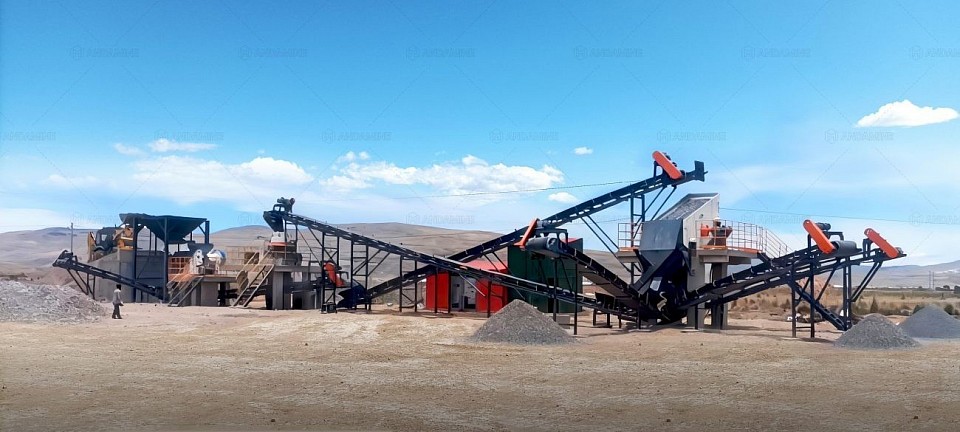
How Different Types of Stone Crusher Work in Crushing Operations
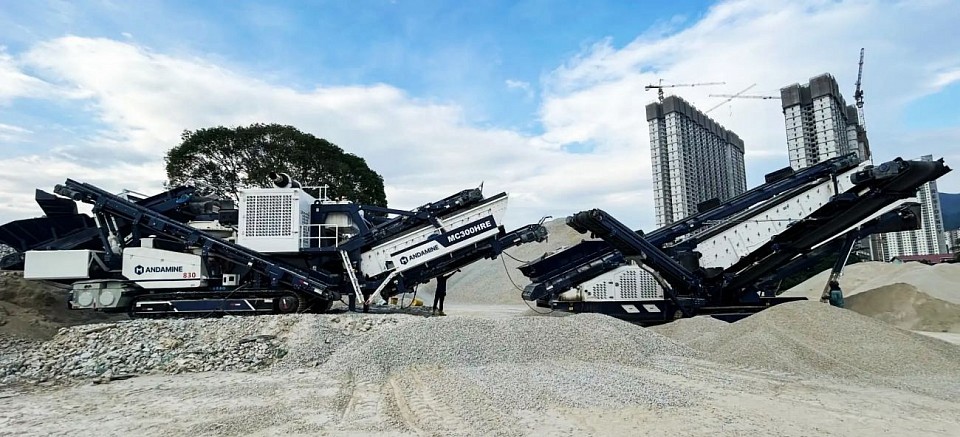
Stone crushing is a fundamental process in mining, quarrying, and construction industries. It involves breaking down large rocks into smaller, usable aggregates for building roads, bridges, and concrete production. Understanding how different types of stone crusher work in crushing operations helps investors and operators choose the right equipment for efficiency, cost control, and output quality. Among various applications, granite crushers play an especially important role due to the hardness and durability of granite material.
Different crushers operate on different mechanical principles such as compression, impact, and shear force. Each type is designed for specific stages of crushing, from primary to tertiary processing.
1. Jaw Crusher: Primary Crushing for Large Rocks
The jaw crusher is one of the most commonly used machines in primary crushing operations. It works by applying compressive force to break large rocks into smaller, manageable sizes. The machine consists of a fixed jaw and a moving jaw that creates a V-shaped cavity where materials are crushed.
During operation, large stones are fed into the top of the crusher. As the movable jaw compresses the material against the fixed jaw, the rock breaks into smaller pieces. This type of crusher is widely used in mining and quarrying because it can handle very hard materials, including granite.
In the case of granite crushers, jaw crushers are often the first stage of processing. Granite is extremely hard, so strong compressive force is required to break it into primary aggregates before further processing.
2. Cone Crusher: Secondary and Fine Crushing
Cone crushers are used for secondary and tertiary crushing. They operate using a rotating cone inside a fixed outer shell. The rock is crushed between the moving cone and the stationary chamber.
As the cone rotates, it creates a continuous crushing motion that reduces material size efficiently. Cone crushers are known for producing uniform and high-quality aggregates, making them ideal for construction materials.
When processing granite, granite crushers based on cone crusher technology are essential for achieving the desired particle shape and size. They are commonly used after jaw crushers to refine the material further for concrete and asphalt production.
3. Impact Crusher: High-Speed Crushing for Soft to Medium Materials
Impact crushers work differently from compression-based machines. They use high-speed rotors equipped with blow bars that strike the material and break it into smaller pieces through impact force.
When material enters the crushing chamber, it is hit repeatedly by rapidly rotating hammers, causing it to shatter along natural fracture lines. This process produces well-shaped aggregates, especially useful in road construction.
Although impact crushers are less commonly used as primary granite crushers, they can still process granite in certain conditions, especially when the material has already been pre-crushed. They are more effective for softer stones but can be part of multi-stage granite processing systems.
4. Hammer Crusher: Simple Structure and High Efficiency
Hammer crushers use a rotating shaft with multiple hammers to crush materials through repeated impact. The material is broken as it collides with the fast-moving hammers and is further reduced when it hits the crushing plates.
This type of crusher is widely used in medium-hard materials and smaller-scale operations. It offers high crushing efficiency and simple maintenance.
In some production setups, hammer crushers are used as part of granite crushers systems for secondary processing, especially when high throughput and cost efficiency are required.
5. VSI Crusher: Shaping and Fine Aggregates Production
Vertical Shaft Impact (VSI) crushers are specialized machines used for producing high-quality sand and finely shaped aggregates. They operate by accelerating rock particles at high speed and forcing them to collide with each other or with a crushing chamber.
This self-impact crushing method produces cubical-shaped particles, which are ideal for concrete production.
In modern granite crushers operations, VSI crushers are often used in the final stage to refine granite aggregates into high-quality sand for construction use. This is especially important in regions where natural sand resources are limited.
6. Mobile Crusher: Flexible Crushing Solution
Mobile crushers combine different crushing units on a portable platform. They can include jaw, cone, or impact crushers depending on project requirements. Their key advantage is mobility, allowing operators to move equipment directly to the mining or construction site.
This reduces transportation costs and increases operational flexibility. Mobile systems are widely used in quarry operations where granite is processed on-site.
For modern granite crushers, mobile crushing systems are becoming increasingly popular because they allow multi-stage processing in a single, flexible unit, improving efficiency and reducing setup time.
Conclusion
Understanding how different types of stone crusher work is essential for selecting the right equipment for mining and construction projects. Jaw crushers handle primary breaking, cone crushers refine material, impact crushers improve shape, hammer crushers offer efficiency for medium hardness materials, and VSI crushers produce high-quality fine aggregates. Mobile crushers integrate these technologies into flexible systems for on-site operations.
In the context of granite crushers, a combination of these machines is often used because granite is a hard and abrasive material that requires multi-stage processing. Each crusher plays a specific role in ensuring efficiency, product quality, and cost control in crushing operations.
As construction demand continues to grow globally, efficient crushing systems will remain essential for producing high-quality aggregates that support modern infrastructure development.
Iron Ore Crusher for Open-Pit and Underground Mining Operations
The iron ore crusher plays a critical role in modern mining systems, especially in both open-pit and underground mining operations. As global steel demand continues to rise, efficient ore extraction and processing have become essential for mining companies. Crushing is the first and most important stage in reducing large raw iron ore into smaller particles suitable for further processing.
In both mining environments, the choice of crushing equipment and system design directly affects productivity, energy consumption, and overall project profitability. The integration of crushing systems with the ore beneficiation process ensures that low-grade ore can be upgraded into valuable raw material for steel production.
1. Role of Iron Ore Crusher in Open-Pit Mining
Open-pit mining is the most common method for iron ore extraction due to its efficiency and cost-effectiveness. In this process, large volumes of ore are extracted from the surface and transported to crushing stations.
The iron ore crusher in open-pit mining is typically used in primary crushing stages. Large rocks are first broken down using jaw crushers or gyratory crushers before being further reduced by cone crushers or impact crushers. This step is essential to ensure that ore is of a manageable size for transportation and downstream processing.
After crushing, the ore is transported via conveyors or trucks to processing plants where it enters the ore beneficiation process. At this stage, unwanted impurities are separated, and the iron content is concentrated to improve quality and value.
2. Iron Ore Crusher in Underground Mining Operations
Underground mining presents more complex challenges compared to open-pit mining. Limited space, ventilation requirements, and transportation constraints require compact and efficient crushing solutions.
In underground operations, the iron ore crusher is often installed close to the mining face to reduce ore size immediately after extraction. This reduces the volume of material that needs to be transported to the surface, lowering operational costs and improving efficiency.
Typically, mobile or semi-mobile crushing systems are used in underground environments. These systems are designed for easy relocation and compact installation, making them suitable for confined mining spaces. Once crushed, the ore is lifted to the surface for further processing in the ore beneficiation process.
3. Crushing Stages and Equipment Selection
Iron ore crushing is usually divided into three stages: primary, secondary, and tertiary crushing. Each stage uses different types of crushers depending on ore hardness and required output size.
Primary crushing: Jaw or gyratory crushers handle large raw ore directly from the mine.
Secondary crushing: Cone crushers reduce particle size further for processing.
Tertiary crushing: Fine crushing ensures uniform particle size for beneficiation.
Selecting the right iron ore crusher is crucial for maximizing efficiency. Hard and abrasive ores require durable equipment with high wear resistance, while softer ores may allow for more energy-efficient crushing systems.
4. Integration with Ore Beneficiation Process
The ore beneficiation process is the next critical step after crushing. It involves separating valuable iron minerals from waste materials such as silica and clay. Common beneficiation methods include magnetic separation, flotation, and gravity separation.
Crushing directly impacts the efficiency of the ore beneficiation process. Properly sized ore particles improve separation accuracy and reduce energy consumption during processing. If ore is not adequately crushed, beneficiation systems may become less efficient, leading to lower recovery rates.
Therefore, modern mining plants are designed as integrated systems where the iron ore crusher works seamlessly with beneficiation equipment. This ensures a continuous and optimized production flow from raw ore extraction to final concentrate output.
5. Efficiency, Automation, and Energy Optimization
Modern iron ore crusher systems are increasingly equipped with automation and digital monitoring technologies. These systems allow real-time tracking of crusher performance, wear levels, and output quality.
Automation helps optimize crushing speed and reduce energy consumption, which is a major cost factor in large-scale mining operations. In addition, smart control systems can adjust crusher settings based on ore hardness, improving overall efficiency.
Energy-efficient designs are especially important in both open-pit and underground mining, where operational costs are heavily influenced by power consumption and equipment downtime.
Conclusion
The iron ore crusher is an essential component in both open-pit and underground mining operations. It ensures that raw ore is efficiently reduced to suitable sizes for further processing while supporting the overall productivity of the mining system.
When integrated with the ore beneficiation process, crushing systems play a key role in improving ore quality, increasing recovery rates, and reducing operational costs. As mining technology continues to advance, modern crushers equipped with automation, energy-saving features, and enhanced durability will remain vital for efficient and sustainable iron ore production worldwide.
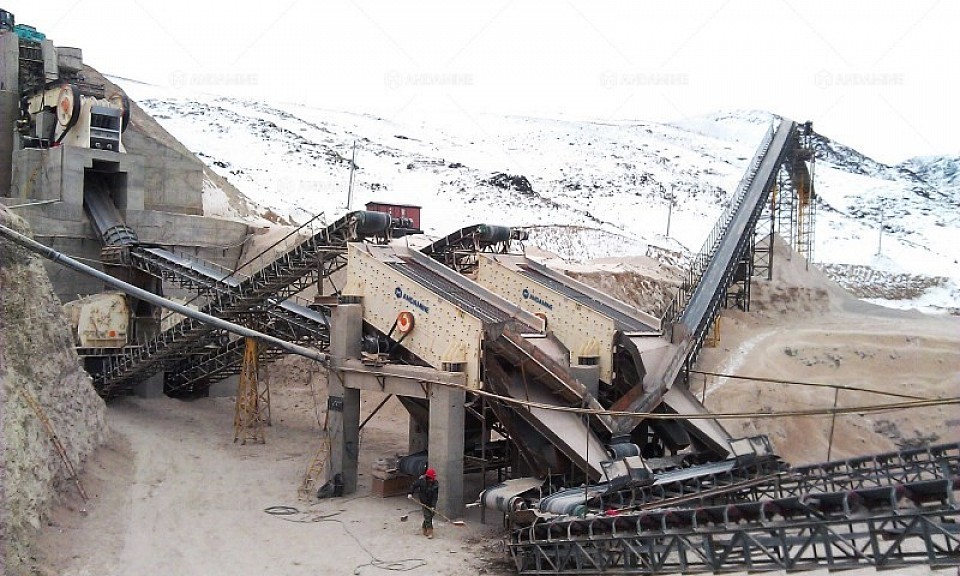
Market Expansion Strategies Leveraging Mobile Crusher Machines
Mobile crusher machines have become indispensable in modern construction and mining industries. Their mobility, efficiency, and adaptability allow contractors to quickly process aggregates, recycle construction waste, and reduce operational costs. For companies looking to expand into Southeast Asia, investing in a mobile crusher for sale Philippines presents significant opportunities in urban construction, infrastructure development, and industrial applications.
Market expansion is not just about purchasing equipment; it requires careful planning around location, demand analysis, logistics, and operational efficiency. Mobile crushers, in particular, offer flexibility that stationary crushers cannot, making them a strategic tool for entering new markets.
Understanding Regional Demand
Before expanding into a new market, companies need to understand local demand for crushed stone, sand, and recycled aggregates. The Philippines is experiencing rapid urbanization and infrastructure growth, with numerous projects under programs like “Build, Build, Build.”
Construction and Infrastructure Projects: Roads, bridges, airports, and commercial buildings create consistent demand for aggregates. A mobile crusher for sale Philippines can be deployed directly on-site, reducing transportation costs and delivery time.
Mining and Quarry Operations: Mobile crushers help mining companies process ores and minerals on-site, increasing productivity while reducing environmental impact.
Recycling and Waste Management: Urban areas produce large amounts of construction and demolition waste. Mobile crushers enable recycling of concrete and asphalt, turning waste into valuable aggregates and supporting sustainable practices.
Strategic Placement and Deployment
A critical factor in market expansion is the strategic placement of mobile crushers. Unlike stationary plants, mobile crusher machines can be relocated to areas with high demand, maximizing revenue potential.
Proximity to Projects: Deploying a mobile crusher near active construction sites minimizes hauling costs and ensures timely material supply.
Regional Coverage: Companies can use multiple mobile crushers to cover several provinces or islands in the Philippines, adjusting operations based on project timelines and local demand.
Temporary Sites: Mobile crushers are ideal for short-term projects, allowing businesses to establish a presence in new regions without heavy infrastructure investment.
Operational Efficiency and Cost Optimization
Efficiency is key when leveraging mobile crusher machines for market expansion. By minimizing downtime and maximizing throughput, companies can capture more market share.
Quick Setup and Mobility: Modern mobile crushers can be assembled and operational within hours, enabling fast response to new project opportunities.
Fuel and Energy Efficiency: Mobile crushers consume less fuel compared to stationary plants because they eliminate repeated material transportation. Lower operational costs improve competitiveness in price-sensitive markets like the Philippines.
Integrated Screening and Conveying: Many mobile crusher models include screening and conveyor systems, reducing the need for additional equipment and labor.
Preventive Maintenance: Regular maintenance ensures consistent performance and reduces unexpected downtime, which is crucial for meeting contract deadlines and maintaining a good market reputation.
Marketing and Customer Engagement
Market expansion also relies on effectively communicating the advantages of mobile crushers to potential clients.
Highlighting Flexibility: Emphasize that mobile crushers can move between sites, handle diverse materials, and support short- and long-term projects.
Demonstrating Cost Savings: Clients are attracted to the reduced transportation and operational costs offered by on-site mobile crushing.
Sustainability Angle: Promote mobile crushers as a solution for recycling construction waste, aligning with government initiatives and corporate social responsibility programs.
After-Sales Support: Offering training, maintenance, and spare parts reinforces trust with clients and encourages repeat business.
Partnership and Collaboration
Entering new markets is more effective with local partnerships. Collaborating with distributors, construction companies, or mining operators can accelerate market penetration.
Local Distributors: Partnering with established machinery dealers can facilitate access to regulatory approvals, import processes, and customer networks.
Construction Companies: Offering mobile crushers for rent or joint operations can introduce equipment capabilities to clients without requiring large upfront investments.
Government and Infrastructure Programs: Collaborating with public projects ensures steady demand and credibility in a new market.
Leveraging Technology and Innovation
Modern mobile crusher machines come with advanced technology, such as remote monitoring, automation, and energy-efficient engines. These features can be used strategically to expand into competitive markets.
Remote Monitoring: Enables operators to track performance and detect issues in real-time, ensuring consistent output and reducing downtime.
Automation: Automated feeding, crushing, and screening improve productivity and reduce labor requirements.
Data-Driven Decisions: Usage data from mobile crushers can guide expansion strategies, helping companies identify high-demand areas and optimize fleet allocation.
Conclusion
Market expansion leveraging a mobile crusher for sale Philippines requires a multi-faceted strategy combining operational efficiency, strategic deployment, marketing, and local partnerships. By understanding regional demand, deploying equipment near projects, and emphasizing cost and sustainability benefits, companies can capture a larger market share and improve ROI.
Mobile crusher machines provide the mobility, versatility, and productivity necessary to meet diverse construction and mining needs across the Philippines. With careful planning and innovative operational strategies, businesses can successfully expand into new regions, strengthen their market position, and achieve long-term growth.
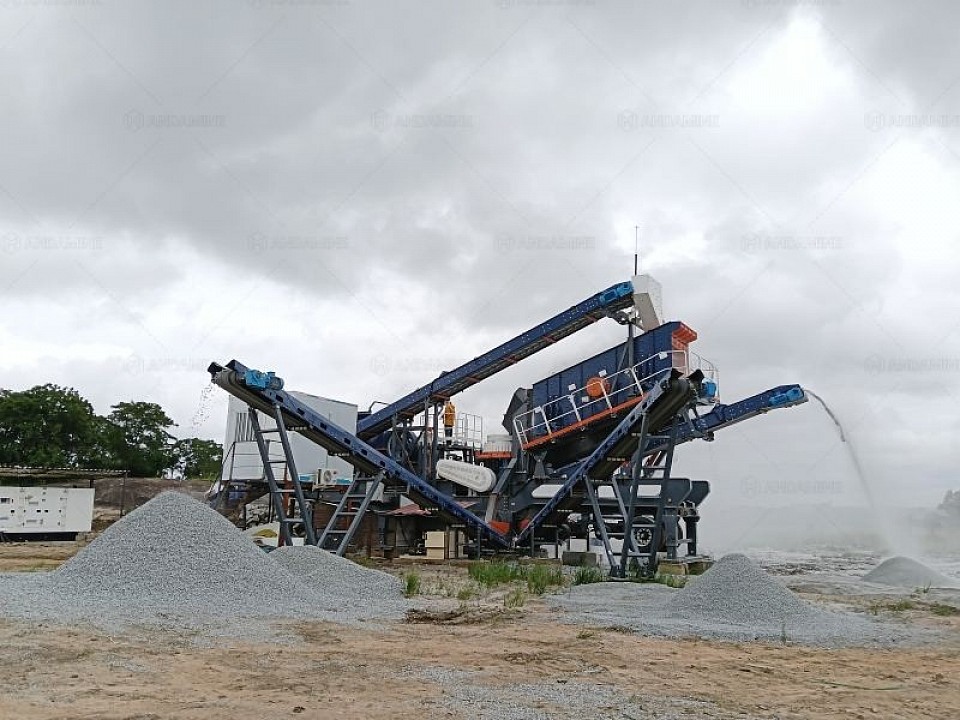
Temporary vs Permanent Projects: Industrial Rock Crusher Selection Guide
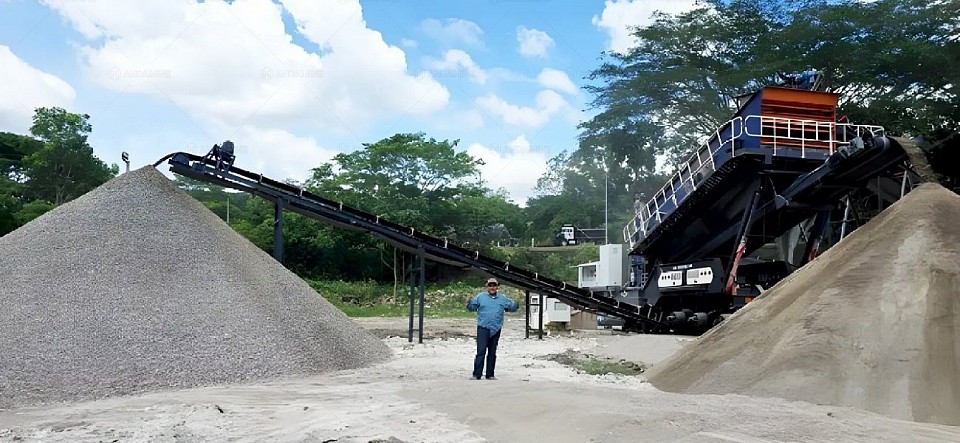
Choosing the right industrial rock crusher is critical for project efficiency, cost-effectiveness, and long-term operational success. One of the most important factors influencing the decision is whether your project is temporary or permanent. Temporary projects, such as road repairs, small-scale mining, or short-term construction sites, require flexible and mobile crushing solutions. Permanent projects, like long-term mining operations or large infrastructure developments, benefit from stationary crushers with higher throughput and durability. This guide explores how to select the best industrial rock crusher for your specific project type.
1. Understanding Project Types and Requirements Temporary Projects
Temporary projects are typically short-term, lasting from a few weeks to several months. These projects often involve multiple locations or limited access sites, requiring equipment that can be easily transported, set up, and relocated. Examples include temporary road repairs, small-scale quarry operations, or urban construction sites with restricted space.
For temporary projects, the focus is on flexibility, mobility, and ease of installation. Industrial rock crushers designed for temporary use are usually mobile or modular, allowing operators to move them between sites quickly. These crushers may have lower production capacity compared to stationary models, but they offer the advantage of cost savings in transport, setup, and maintenance.
Permanent Projects
Permanent projects involve long-term operations, such as major mining sites, cement production facilities, or large infrastructure projects. These projects demand high throughput, consistent material quality, and durable equipment capable of continuous operation over several years.
Stationary industrial rock crushers are the ideal choice for permanent projects. They provide higher efficiency, better material handling, and more automation options, making them suitable for large-scale operations. While the upfront investment may be higher, the long-term ROI justifies the cost due to increased output, lower per-unit production costs, and reduced downtime.
2. Crusher Capacity and Material Output
A key factor in industrial rock crusher selection is matching the crusher capacity to the project’s material output requirements. Temporary projects often require crushers that produce moderate quantities of aggregate efficiently. Mobile crushers with a capacity of 50–200 tons per hour are common in short-term applications. Their quick setup and mobility allow contractors to meet project deadlines without over-investing in high-capacity equipment.
Permanent projects typically require crushers capable of producing several hundred tons per hour. Stationary crushers with high-capacity feeders, jaw or cone crushers, and advanced material handling systems ensure consistent output for long-term operations. Selecting a crusher with the right capacity avoids bottlenecks and ensures the project meets its material supply targets.
3. Mobility vs Durability Mobility Considerations
For temporary projects, mobility is a priority. Mobile crushers can be mounted on tracks or wheels, allowing easy transport between sites. They often include integrated feeders, conveyors, and hoppers, which reduce the need for additional equipment. Mobile units minimize setup time and provide operational flexibility, which is critical for projects with short timelines.
Durability Considerations
For permanent projects, durability is more important than mobility. Stationary crushers are typically installed on concrete foundations and designed for long-term continuous operation. They feature heavy-duty frames, wear-resistant components, and more robust automation systems. This ensures the plant operates efficiently over years, minimizing downtime and maintenance costs.
4. Automation and Control Features
Automation plays a significant role in optimizing productivity and reducing labor costs for both temporary and permanent projects. Mobile crushers for temporary projects often include basic PLC systems for controlling feed rates and crusher settings. This helps maintain consistent material quality even in short-term operations.
Permanent stationary crushers can integrate advanced automation, such as real-time monitoring, remote operation, and automated material sorting. These features improve efficiency, reduce operational errors, and allow managers to optimize production schedules for long-term projects. The higher upfront investment in automation is justified by the sustained output and reduced operating costs over the lifespan of the equipment.
5. Maintenance and Lifecycle Considerations
Proper maintenance is essential for any industrial rock crusher, but the approach differs between temporary and permanent projects.
Temporary Projects: Maintenance focuses on mobility and operational readiness. Mobile crushers are designed for quick inspections and easy replacement of wear parts. Contractors should ensure that spare parts are readily available to minimize downtime, especially when the plant moves between sites.
Permanent Projects: Maintenance emphasizes long-term reliability. Stationary crushers require scheduled inspections, lubrication, and component replacements to ensure continuous operation. Investing in durable components upfront reduces repair costs and maximizes plant lifespan, ensuring consistent material output.
6. Cost Considerations
Cost is always a critical factor. Mobile crushers for temporary projects often have lower initial investment costs, making them suitable for short-term needs. Contractors can avoid the higher costs of installing stationary plants while maintaining adequate material output.
For permanent projects, the higher initial cost of stationary crushers is offset by higher production capacity, lower per-unit operating costs, and longer service life. When evaluating costs, consider not only the purchase price but also energy consumption, labor, maintenance, and ROI over the project’s duration.
7. Environmental and Site Considerations
Site conditions and environmental regulations also influence crusher selection. Temporary sites may have space restrictions or urban limitations, making compact mobile crushers ideal. Additionally, mobile crushers often include dust suppression and noise reduction systems to comply with environmental standards.
Permanent operations may face stricter regulatory requirements, including permits for dust, noise, and water management. Stationary plants can integrate advanced environmental controls more easily, ensuring compliance while maintaining high productivity.
Conclusion
Selecting an industrial rock crusher depends heavily on whether your project is temporary or permanent. Temporary projects benefit from mobile crushers that offer flexibility, quick setup, and cost-effective operation. Permanent projects require stationary crushers that provide high capacity, durability, and long-term ROI.
Key factors to consider include project duration, material output requirements, mobility, automation, maintenance, and cost. By aligning crusher type with project needs, contractors can maximize efficiency, reduce operational risks, and ensure consistent material quality throughout the project lifecycle.
A well-chosen industrial rock crusher is not just equipment—it is a strategic investment that supports timely project completion, cost savings, and long-term operational success.
Maximizing Output in Limestone Crushing Plants: Production Planning and Material Management
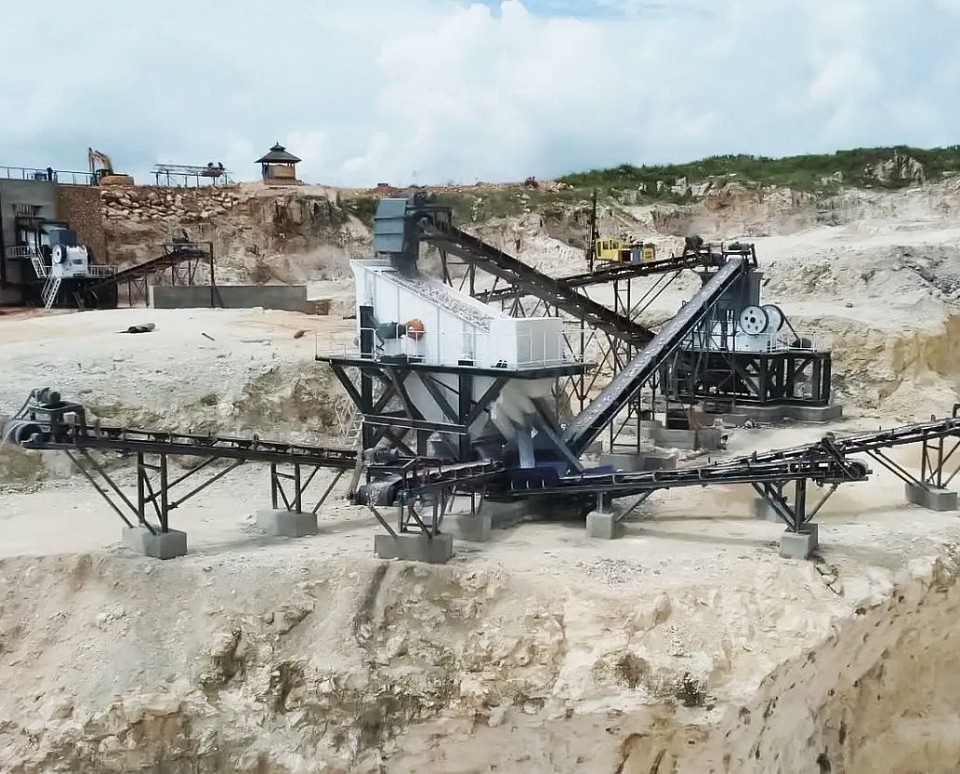
Efficient production planning and material management are critical for the success of any limestone crushing plant. Whether the plant serves the construction, cement, or industrial mineral sectors, optimizing workflow, equipment utilization, and material handling directly impacts output, operational costs, and profitability. This article explores strategies for maximizing production in limestone crushing plants from technical, operational, and managerial perspectives.
Understanding Limestone Crushing Plant Operations
A limestone crushing plant typically consists of a series of crushing, screening, and conveying systems. Raw limestone is fed into primary crushers, then transported through secondary and tertiary crushers, with material being sorted by size at various stages. Each stage is designed to meet specific production requirements, and the efficiency of these processes directly affects the total plant output.
Production planning involves scheduling these operations to ensure consistent throughput, while material management focuses on the movement, storage, and processing of limestone with minimal waste and downtime.
Key Strategies for Maximizing Output
1. Efficient Equipment Selection
Choosing the right crushers, screens, and conveyors is the first step toward maximizing output. For instance, jaw crushers are ideal for primary crushing of large limestone blocks, while cone crushers or impact crushers are better suited for secondary and tertiary stages. Matching crusher capacity with feed size and production requirements prevents bottlenecks and ensures smooth material flow.
Additionally, selecting high-performance, energy-efficient equipment reduces downtime due to maintenance and minimizes fuel or electricity consumption, contributing to higher overall output.
2. Optimized Production Scheduling
Production planning is crucial to maintaining a continuous and balanced flow of material through the plant. Scheduling includes coordinating:
Feeding intervals and feed rate
Crusher operation times
Screening and stockpiling sequences
Using automated control systems allows operators to monitor real-time material flow, adjust feed rates, and prevent overloading or underfeeding of crushers. This ensures that every machine operates at its optimal capacity, reducing idle time and increasing overall plant efficiency.
3. Material Handling Optimization
Material management plays a vital role in output maximization. Key measures include:
Conveyor Layout Design: Minimizing the distance material travels between crushers, screens, and stockpiles reduces energy use and handling time.
Stockpile Management: Maintaining appropriate buffer stock prevents feed interruptions and allows continuous operation even during temporary equipment downtime.
Segregation Control: Proper screening and sorting prevent oversized or undersized materials from entering the wrong crusher, which can cause wear, damage, or reduced output.
Efficient material handling not only improves production rates but also extends equipment lifespan and reduces operational costs.
4. Regular Maintenance and Equipment Monitoring
Equipment reliability is essential for maximizing output. Regular maintenance programs ensure that crushers, screens, and conveyors operate smoothly without unexpected breakdowns. Preventive measures include:
Lubrication of bearings and moving parts
Timely replacement of worn wear parts
Inspection of conveyor belts and motors
In addition, modern limestone crushing plants often use monitoring systems to track machine performance, energy consumption, and production statistics. This data helps managers identify potential issues early and maintain continuous high output.
5. Workforce Training and Operational Best Practices
Human factors significantly influence plant efficiency. Well-trained operators understand the characteristics of limestone and can adjust crusher settings, feeding rates, and material flow to maximize output. Continuous training in safety procedures, equipment operation, and troubleshooting ensures that the workforce contributes effectively to production goals.
Leveraging Automation and Smart Technology
Technological advancements provide new opportunities to maximize limestone crushing plant output. Automated systems can:
Optimize feed rates and crusher settings in real-time
Monitor equipment health and schedule maintenance proactively
Track production metrics for performance analysis
For example, in modern stone crushing plants, programmable logic controllers (PLCs) and remote monitoring systems allow operators to manage multiple units simultaneously, reducing downtime and improving overall efficiency.
Environmental Considerations
Maximizing output does not only mean producing more; it also involves minimizing waste and energy consumption. Efficient limestone crushing plants adopt:
Dust suppression systems to reduce environmental impact and material loss
Energy-efficient motors and drives to lower fuel and electricity use
Recycling of fines or byproducts to enhance material utilization
These practices not only improve sustainability but also contribute to cost savings and compliance with environmental regulations.
Conclusion
Maximizing output in a limestone crushing plant requires an integrated approach combining production planning, material management, equipment optimization, and workforce training. Efficient scheduling, smart material handling, and regular maintenance ensure continuous operation at optimal capacity. Additionally, leveraging automation, monitoring systems, and energy-efficient technologies helps reduce downtime, fuel consumption, and operational costs while improving productivity.
By implementing these strategies, operators can achieve higher production rates, maintain consistent product quality, and enhance overall profitability, making the limestone crushing plant a more competitive and sustainable operation.
How Maintenance Costs Complement Initial Rock Crusher Machine Price
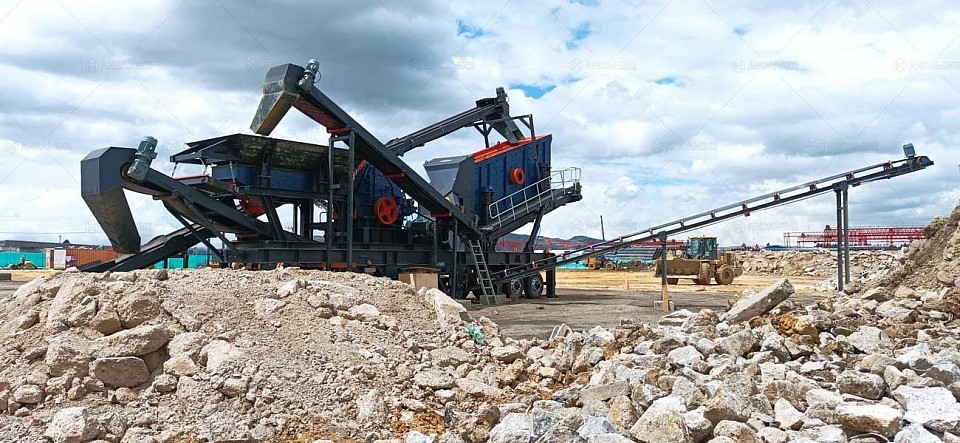
Investing in a rock crusher is a major financial commitment for any mining, construction, or quarrying business. While the rock crusher machine price is often the first factor considered, ongoing maintenance costs are equally important. Understanding how maintenance complements the initial investment helps businesses optimize operational efficiency, reduce downtime, and maximize return on investment (ROI).
The True Cost of a Rock Crusher
When evaluating a rock crusher, buyers often focus primarily on the upfront machine price. However, this initial cost only tells part of the story. A high-quality machine with a higher purchase price may offer lower maintenance requirements, while a cheaper unit could incur frequent repairs, higher energy consumption, and additional labor costs over time.
Maintenance costs can include:
Regular inspections and servicing
Replacement of wear parts like jaw plates, hammers, or liners
Lubrication and cleaning
Electrical and hydraulic system upkeep
Labor for operating and monitoring the machine
By factoring in these costs, businesses gain a clearer picture of the total expenditure over the machine’s lifespan.
How Quality Affects Maintenance Costs
The relationship between rock crusher machine price and maintenance costs is closely tied to the quality of manufacturing. Premium machines from reputable manufacturers often have:
Durable wear-resistant materials
Efficient motor and hydraulic systems
Advanced automation for monitoring performance and detecting issues early
These features reduce the frequency of repairs and lower the total cost of ownership. Conversely, lower-priced machines may initially save money but can lead to higher maintenance costs, frequent replacements, and unexpected downtime.
Planning a Maintenance Schedule
A proper maintenance schedule ensures that the initial rock crusher machine price is complemented by predictable and manageable ongoing costs. Key steps include:
Daily Inspection: Check belts, bearings, and lubrication levels to prevent small issues from becoming costly repairs.
Weekly Maintenance: Inspect wear parts, adjust tension on belts or chains, and clean the crusher equipment to prevent blockages.
Monthly or Quarterly Servicing: Replace worn components, inspect hydraulic systems, and perform full performance tests.
Annual Overhaul: Conduct a comprehensive inspection, including structural integrity, electrical systems, and motor performance.
Following a structured maintenance plan ensures that the machine operates efficiently, reducing the risk of sudden failures that can disrupt production and increase overall costs.
Cost-Saving Strategies
Businesses can adopt several strategies to balance rock crusher machine price with maintenance costs:
Invest in Spare Parts Inventory: Keeping essential parts on hand reduces downtime and allows for quick repairs.
Train Operators: Skilled operators reduce wear and tear by using the machine correctly, avoiding overloading or misuse.
Preventive Maintenance Programs: Scheduled servicing can detect problems early, preventing expensive breakdowns.
Energy-Efficient Equipment: Machines designed for lower energy consumption reduce operational costs while maintaining performance.
By implementing these strategies, the overall cost of ownership is reduced, making even higher-priced machines more cost-effective in the long term.
The Role of Manufacturer Support
Choosing a reliable manufacturer significantly influences maintenance costs. Reputable suppliers provide:
Genuine replacement parts
Technical support for troubleshooting
Service agreements and maintenance programs
These services complement the initial rock crusher machine price by extending the machine’s life, improving reliability, and minimizing unexpected expenses.
Case Study: Comparing Two Machines
Consider two rock crushers: Machine A costs $120,000, while Machine B costs $90,000. Machine A uses advanced wear-resistant materials and comes with a preventive maintenance plan, costing $5,000 per year in maintenance. Machine B has lower-quality components and requires $15,000 per year in maintenance. Over a five-year period:
Machine A: $120,000 + ($5,000 × 5) = $145,000 total cost
Machine B: $90,000 + ($15,000 × 5) = $165,000 total cost
Although Machine A had a higher initial price, its lower maintenance costs make it the more economical choice in the long term.
Conclusion
When considering rock crusher machine price, businesses should not overlook maintenance costs. High-quality machines may require a larger upfront investment but often provide lower long-term expenses, improved reliability, and higher production efficiency. A strategic approach, including preventive maintenance, proper operator training, and support from reputable manufacturers, ensures that maintenance costs complement the initial purchase, leading to better ROI and sustainable operations.
Understanding this balance allows businesses to make informed decisions, choosing machines that not only meet production needs but also minimize lifecycle costs, making their investment in rock crushers truly worthwhile.
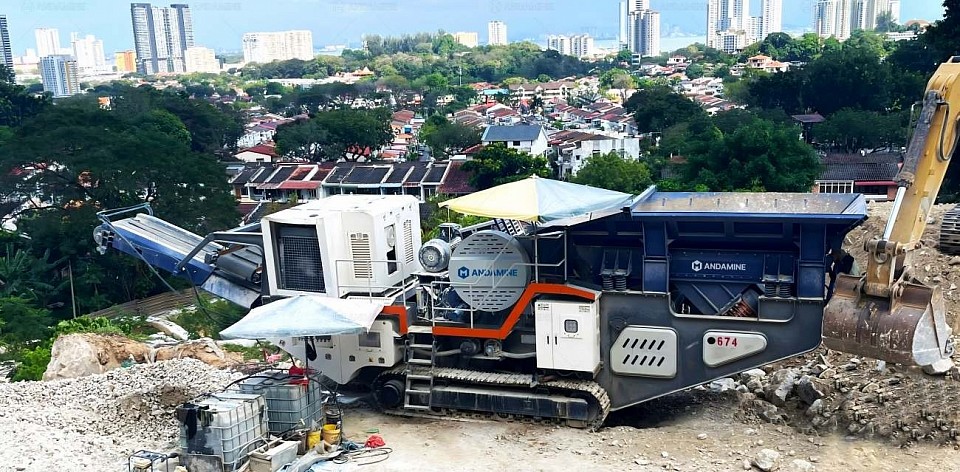
Mobile Jaw Crusher for Sale for Urban Renovation and Demolition Projects
Urban areas around the world are experiencing rapid redevelopment, including residential upgrades, commercial building renovations, and large-scale demolition projects. These projects generate significant quantities of concrete, brick, asphalt, and other construction debris that must be efficiently processed. A mobile jaw crusher for sale has become an essential solution for contractors handling urban renovation and demolition projects. Its mobility, efficiency, and versatility make it ideal for sites where space is limited and rapid processing is required.
This article explores why mobile jaw crushers are suited for urban projects, key features to consider, benefits for contractors, and operational tips for maximizing productivity.
1. Why Mobile Jaw Crushers are Ideal for Urban Renovation and Demolition
Urban construction and demolition projects present unique challenges:
Limited Space: Urban sites often have narrow streets, restricted access, and minimal storage areas.
High Volume of Waste: Demolition generates large quantities of concrete, bricks, asphalt, and rubble that require on-site processing.
Time-Sensitive Projects: Contractors must meet strict deadlines to minimize disruption to surrounding communities.
A mobile jaw crusher addresses these challenges by combining mobility with high crushing efficiency. It can be transported directly to the construction site, reducing the need to haul materials off-site. This not only saves time and cost but also reduces traffic congestion and environmental impact in urban areas.
2. Key Components of a Mobile Jaw Crusher
A modern mobile jaw crusher typically includes:
Jaw Crusher Unit: The primary component, which crushes concrete, asphalt, brick, and other construction debris into reusable aggregate.
Conveyor System: Transports crushed materials efficiently from the crusher to stockpiles or loading areas.
Feeder and Hopper: Ensures a consistent flow of materials into the jaw crusher for optimal processing.
Power System: Diesel or electric engines provide the mobility and crushing capacity required for urban operations.
Control System: Automated controls enhance precision, monitor performance, and simplify operation.
Many mobile jaw crushers integrate with other mobile screening or secondary crushing units, providing a complete solution for processing demolition debris on-site.
3. Benefits of Using a Mobile Jaw Crusher in Urban Projects a. Mobility and Flexibility
Urban renovation sites often change location or require material processing in confined spaces. Mobile jaw crushers are designed for rapid deployment, easy relocation, and setup within a few hours, minimizing downtime.
b. Cost Savings
Processing demolition waste on-site reduces transportation costs, tipping fees, and disposal expenses. The resulting crushed material can be reused as base material, fill, or aggregate, offering substantial cost savings for urban contractors.
c. Environmental Compliance
Urban areas often enforce strict environmental regulations related to dust, noise, and waste disposal. Modern mobile jaw crushers are equipped with dust suppression systems, noise-reducing enclosures, and efficient material handling systems, helping contractors stay compliant.
d. Increased Efficiency
A mobile jaw crusher can process tons of debris per hour, turning construction waste into reusable materials quickly. Automated controls and precise feed systems ensure consistent output quality, supporting tight project schedules.
4. Choosing the Right Mobile Jaw Crusher for Urban Renovation
When selecting a mobile jaw crusher for sale for urban projects, contractors should consider:
Crusher Capacity: Match the crusher’s throughput to the project’s expected volume of demolition debris.
Mobility Features: Check ease of transport, setup time, and maneuverability in narrow or congested urban spaces.
Jaw Crusher Type: Single-toggle or double-toggle jaw crushers offer different capacities and energy efficiency; choose based on project needs.
Dust and Noise Control: Ensure the crusher has integrated systems for environmental compliance.
Maintenance and After-Sales Support: A reliable supplier should provide spare parts, service, and technical guidance.
5. Applications in Urban Renovation and Demolition
Mobile jaw crushers can be used for a wide variety of urban projects:
Building Demolition: Convert concrete, bricks, and rubble into reusable aggregate for foundations or landscaping.
Road Renovation: Crush asphalt and concrete for reuse in road base or asphalt mixing.
Urban Redevelopment: Recycle construction debris from old residential or commercial structures into high-quality material.
Temporary Sites: Mobile units can be deployed on short-term renovation projects, then moved to the next site.
The versatility of mobile jaw crushers makes them indispensable for contractors who need a reliable, adaptable solution for multiple urban projects.
6. Operational Tips for Maximum Efficiency
Feed Consistency: Ensure demolition debris is evenly fed to prevent clogging and maintain output quality.
Regular Maintenance: Inspect jaw plates, conveyor belts, and hydraulic systems frequently to avoid breakdowns.
Dust Suppression: Use integrated water spray or dust extraction systems to minimize airborne particles.
Site Planning: Position the crusher and stockpiles strategically to optimize space and minimize material handling.
Operator Training: Properly trained operators improve safety, efficiency, and equipment lifespan.
7. Advantages of Partnering with a Reliable Supplier
Purchasing a mobile jaw crusher for sale from a reputable supplier ensures:
Access to high-quality, durable crushers suitable for urban demolition.
Turnkey solutions, including installation, training, and technical support.
Spare parts availability and long-term after-sales service.
Expert advice on selecting the right crusher for specific urban project requirements.
A trusted supplier helps contractors maximize ROI, reduce downtime, and complete projects efficiently.
Conclusion
For urban renovation and demolition projects, a mobile jaw crusher for sale offers unmatched flexibility, mobility, and cost-efficiency. It allows contractors to process construction debris on-site, reduce transportation costs, and produce reusable materials quickly.
Key benefits include mobility, environmental compliance, operational efficiency, and reduced project costs. Selecting the right crusher and supplier ensures consistent performance, long-term reliability, and compliance with urban regulations.
By investing in a mobile jaw crusher, urban contractors can meet tight deadlines, support sustainable construction practices, and handle complex demolition and renovation projects efficiently.