
Limestone Crusher Plant Solution
Opportunities for Limestone Crusher Plant Expansion in Emerging Markets
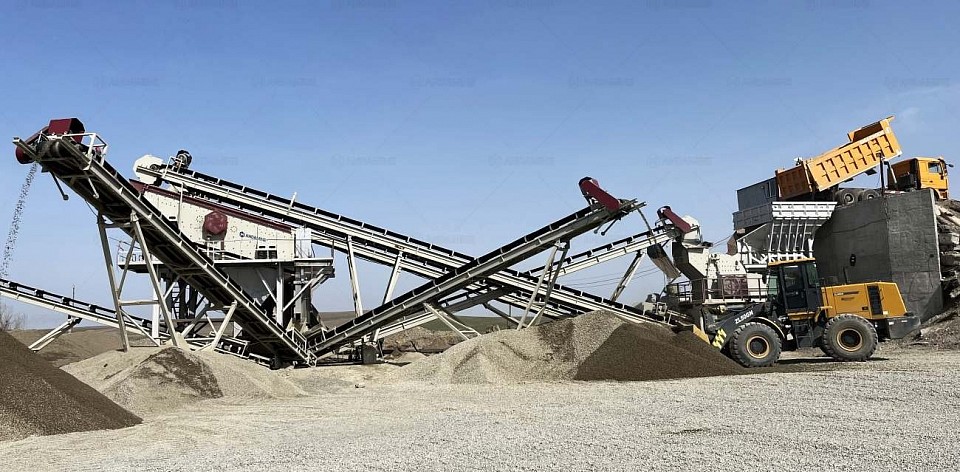
The construction and mining sectors in emerging markets are witnessing unprecedented growth, driven by urbanization, infrastructure development, and industrialization. Among the key equipment fueling this growth is the limestone crusher plant, which plays a crucial role in producing aggregates, cement raw materials, and other construction essentials. With the rising demand for high-quality crushed limestone, opportunities for limestone crusher plant expansion in emerging markets are abundant. This trend is especially relevant for medium-to-large capacity solutions, such as the 150 tph stationary crusher plant, which offers both efficiency and reliability for diverse project requirements.
Driving Factors Behind Expansion
Several factors are driving the expansion of limestone crusher plants in emerging markets. First, rapid urbanization has led to increased construction activity, requiring a steady supply of raw materials. Roads, bridges, housing, and industrial facilities all rely on high-quality aggregates and limestone products. As governments invest heavily in infrastructure, the need for localized production of these materials becomes critical. Establishing limestone crusher plants locally reduces transportation costs, ensures a consistent supply, and meets project deadlines more efficiently.
Second, the growth of the cement industry in emerging markets has created strong demand for high-quality limestone as a primary raw material. Cement plants often require a consistent feed of crushed limestone, and integrating a 150 tph stationary crusher plant enables steady production without frequent operational interruptions. The reliability and capacity of these plants make them ideal for medium-scale construction projects and regional industrial supply.
Third, technological advancements in crushing equipment have made it feasible to deploy efficient, cost-effective solutions even in regions with limited industrial infrastructure. Modern limestone crusher plants come equipped with energy-efficient motors, automated control systems, and dust suppression technologies. These features not only reduce operational costs but also help meet environmental regulations increasingly enforced in emerging economies.
Strategic Opportunities in Key Regions
Emerging markets in Asia, Africa, and Latin America present substantial opportunities for limestone crusher plant expansion. In Southeast Asia, countries like Indonesia, Vietnam, and the Philippines are experiencing rapid infrastructure development, including road networks, ports, and industrial parks. Local limestone crusher plants can supply the growing demand for aggregates while reducing reliance on imported materials.
In Africa, nations such as Nigeria, Kenya, and South Africa are investing heavily in urban housing, road construction, and industrial zones. Establishing limestone crusher plants in proximity to key mining regions can ensure a reliable supply chain and reduce logistics costs, particularly in areas where transport infrastructure is still developing. A 150 tph stationary crusher plant provides the capacity needed to serve multiple construction projects simultaneously, making it a practical investment for these growing markets.
Latin America also offers promising opportunities, with countries like Brazil, Mexico, and Chile investing in large-scale infrastructure projects. The presence of rich limestone deposits coupled with rising construction demand makes these regions ideal for setting up high-capacity crusher plants. By deploying modern, efficient plants, manufacturers can capture significant market share while providing high-quality materials for local and regional projects.
Benefits of Deploying a 150 TPH Stationary Crusher Plant
Choosing the right equipment is crucial when entering emerging markets. A 150 tph stationary crusher plant offers several advantages:
High Production Capacity: With the ability to crush up to 150 tons per hour, these plants can handle medium to large-scale construction demands, ensuring a consistent supply of limestone.
Operational Reliability: Stationary plants are designed for continuous operation, minimizing downtime and maintenance issues, which is vital in regions where technical support may be limited.
Energy Efficiency: Modern stationary crusher plants incorporate energy-saving technologies that reduce electricity consumption and operational costs, making them more sustainable.
Environmental Compliance: Dust control, noise reduction, and automated monitoring systems help plants meet increasingly strict environmental regulations, enhancing their acceptance in local communities.
Challenges and Mitigation Strategies
While opportunities are abundant, there are challenges to limestone crusher plant expansion in emerging markets. Logistics and transportation of raw materials can be complex in regions with underdeveloped infrastructure. To mitigate this, manufacturers and investors often select sites near limestone deposits or urban centers to minimize transportation costs.
Workforce training and operational expertise also pose challenges. Providing technical training, operation manuals, and local support ensures that plants operate efficiently and safely. Collaborating with local partners or establishing service centers can enhance operational reliability and customer satisfaction.
Lastly, regulatory compliance varies across countries. Manufacturers must navigate local permitting processes, environmental regulations, and safety standards to establish operations successfully. Engaging with local authorities and environmental consultants early in the planning stage can prevent delays and facilitate smooth plant commissioning.
Conclusion
Emerging markets present a wealth of opportunities for limestone crusher plant expansion, fueled by rapid urbanization, infrastructure projects, and industrial growth. Deploying medium-capacity solutions, such as a 150 tph stationary crusher plant, enables manufacturers and investors to meet rising construction demands efficiently while maintaining operational reliability and environmental compliance. Strategic site selection, technology adoption, and workforce training are key to maximizing success in these regions.
By leveraging these opportunities, limestone crusher plant operators can not only capture growing market demand but also contribute to sustainable industrial development in emerging economies. As infrastructure projects continue to accelerate, the role of efficient and high-capacity limestone crusher plants will only become more critical.
Smart Features in Crusher Plant for Sale Transforming Material Processing
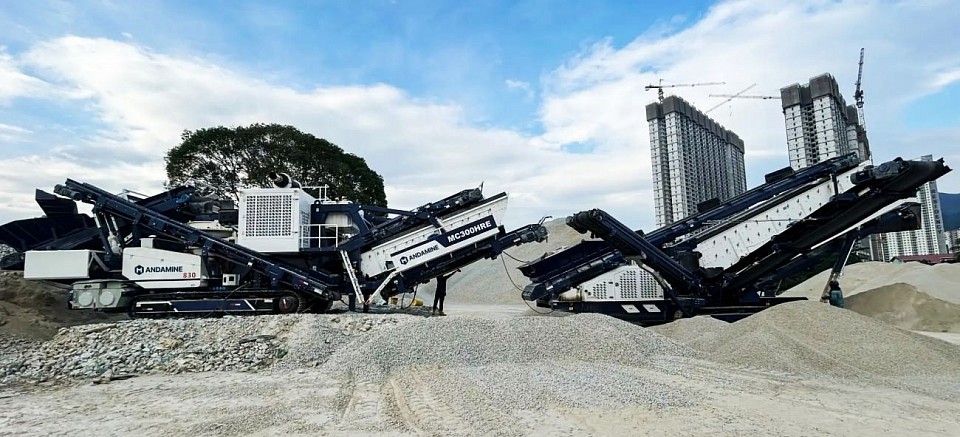
As the construction and mining industries evolve, crusher plants are no longer just heavy machinery — they are becoming highly intelligent, data-driven systems. For buyers looking for a crusher plant in Saudi Arabia for sale, understanding the latest smart features can make all the difference in performance, efficiency, and long-term cost savings.
Why Smart Crusher Plants Matter
In Saudi Arabia, major infrastructure projects—such as urban development and mineral sector expansion—demand high-capacity, reliable crushing solutions. Many new crushers are equipped with smart automation, predictive maintenance, and remote monitoring capabilities. These advancements are transforming how material processing is done, enabling operators to run crushing plants more efficiently, safely, and sustainably.
Key Smart Features in Modern Crusher Plants
Automation & Remote Monitoring
Smart crusher plants integrate control systems that allow remote monitoring and parameter adjustment in real time. Operators can tweak crusher settings, start or stop equipment, and optimize performance with minimal manual intervention. This saves labor and allows fast response to operational issues.
Predictive Maintenance
Equipped with sensors and IoT systems, modern plants collect data on temperature, vibration, load, and more. Predictive maintenance algorithms can forecast when parts like bearings or liners will wear out. This proactive maintenance reduces downtime and extends equipment lifetime — especially important in harsh operating environments.
Energy Efficiency
Smart crusher plants can improve energy consumption through features like variable-frequency drives (VFDs), efficient motors, and load-optimized operation. These technologies help minimize electrical or fuel use, reducing operating costs and environmental impact.
Digital Safety & Compliance
Advanced systems can detect abnormal operating conditions and raise alerts, improving safety on site. They can also track and enforce environmental compliance, such as emissions or dust control protocols.
Smart Control Systems
Many modern crushers use integrated automation software that provides full machine supervision, user-role based access, and real-time optimization. This simplifies training, enhances usability, and ensures optimum crushing efficiency.
Real-World Examples in Saudi Arabia
Local Suppliers & Plants: Companies in Saudi Arabia offer crusher plant solutions, including both mobile and stationary plants, often providing installation and after-sales support for smooth deployment.
Smart Mobile Crushers: Locally manufactured mobile impact crushers are equipped with user-friendly control systems, safety designs, and easy maintenance access, tailored for Saudi projects.
High-Capacity Smart Plants: Some crushing plants feature fully automated control, multi-stage crushing (jaw, impact, cone), and predictive maintenance support through integrated sensors.
Large-Scale Deployments: High-capacity granite or limestone crushing plants demonstrate that even big operations benefit from smart features like modular installation and energy optimization.
Advantages of Buying a Smart Crusher Plant
If you’re looking for a crusher plant for sale with smart features, here’s why it’s worth considering:
Higher Uptime: Predictive maintenance reduces unexpected breakdowns.
Better Efficiency: Automated systems and remote control optimize performance.
Lower Operating Costs: Energy-saving systems and less manual intervention reduce expenses.
Scalability: Smart plants can be upgraded or expanded more easily, especially if designed modularly.
Safety Gains: Real-time alerts and protective systems improve operational safety.
Compliance: Environmental and regulatory compliance can be integrated into the system, simplifying reporting.
Smart Crusher Plant Options to Consider
Several crusher plants are suitable for smart integration:
120 TPH Crusher Plant: Compact crushing plant ideal for mid-scale operations, easy to pair with smart control modules and sensors.
Quarry-Tone Crusher Plant: Simple design, great for modular deployment and incremental upgrades.
Laterite Stone Jaw Crusher Plant 500 TPH: High-capacity jaw crushing plant, well-suited for integration with predictive maintenance systems.
Considerations When Buying in Saudi Arabia
When sourcing a crusher plant in Saudi Arabia for sale, consider the following:
Local Support & Parts
Choose suppliers with a presence in Saudi Arabia or nearby, ensuring spare parts and technical support are accessible.
Harsh Operating Conditions
Design for extreme temperatures, sand, and dust. Smart sensors should withstand these conditions.
Connectivity
Ensure the plant’s control system supports remote monitoring via stable communication networks.
Regulatory Compliance
Confirm that the crushing plant meets Saudi environmental, emissions, and noise standards.
Return on Investment (ROI)
While smart plants cost more initially, the long-term savings from reduced downtime, energy efficiency, and predictive maintenance can justify the investment.
Conclusion
Smart features in modern crusher plants are becoming a necessity, particularly in high-demand markets like Saudi Arabia. Automation, predictive maintenance, energy optimization, and remote monitoring significantly enhance material processing efficiency.
Choosing a crusher plant for sale, especially one with smart capabilities, can improve operational efficiency, reduce costs, and ensure reliable performance. As Saudi Arabia continues to expand its construction and mining sectors, smart crusher plants are proving essential for sustainable, efficient, and scalable resource processing.
Evaluating Harga Stone Crusher Indonesia for Quarry and Infrastructure Projects
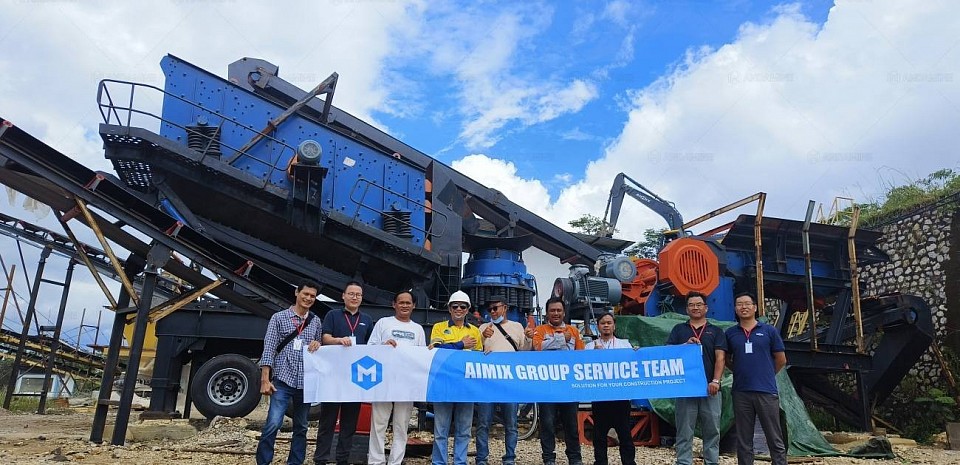
Indonesia’s booming construction and mining sectors continue to drive demand for rock-processing equipment, especially stone crushers. When developing quarries, highways, ports, and large-scale infrastructure projects, one of the first questions project planners ask is: What is the harga stone crusher Indonesia? While price is just a part of the equation, evaluating stone crushers from a wide range of perspectives — performance, cost efficiency, durability, and long-term value — provides a fuller picture of how to select the right equipment for diverse applications. In this article, we explore the key factors tied to harga stone crusher Indonesia while also addressing associated considerations such as stone crusher plant cost, operational efficiency, and project outcomes.
Understanding Harga Stone Crusher Indonesia: Beyond the Sticker Price
The term harga stone crusher Indonesia refers to the market selling prices of stone crushers available in Indonesia. These prices vary widely depending on machine type, capacity, brand, and build quality. Many buyers shopping for a stone crusher will encounter a range of options:
Jaw crushers — primary crushers with simple structure and high crushing efficiency
Impact crushers — machines that provide better cubic shape, used for soft to medium-hard rock
Cone crushers — ideal for secondary or tertiary crushing with high compression strength
Mobile stone crushers — flexible solutions that can move between sites
Understanding that the harga stone crusher Indonesia reflects more than just equipment cost is crucial. Project planners should ask: What capacity do I need? What material am I crushing? What are my long-term operating expenses?
Stone Crusher Plant Cost: A Key Component of Total Investment
A stone crusher rarely operates as a stand-alone unit. Most projects require a stone crusher plant — a full processing line including feeders, crushers, screens, conveyors, and control systems. The stone crusher plant cost includes:
Price of crushers and auxiliary equipment
Installation and commissioning expenses
Civil works and foundation charges
Operator training and initial spare parts
While a standalone crusher’s harga might range based on capacity and design, the total stone crusher plant cost gives a clearer picture of total investment. For example, a small 50–100 tph plant may have a modest crusher price but still entail significant expenditure on screens and conveyors. Conversely, high-capacity plants (e.g., 200–500 tph) have higher harga but may deliver better economies of scale.
Evaluating Performance for Quarry vs. Infrastructure Projects
Different industry sectors will place unique requirements on crusher equipment:
Quarry Operations:
In quarries, the stone crusher must handle continuous, heavy-duty operation crushing hard rock such as limestone, granite, and basalt. Durability, ease of maintenance, and spare parts availability are top priorities. The right harga stone crusher Indonesia for quarries must balance robust design with manageable operational costs.
Infrastructure Projects:
For infrastructure work like highways, bridges, and railways, material specifications and production timelines are critical. Crushers used here must produce consistent aggregate sizes to meet engineering standards. A plant with integrated screening and adjustable crusher configurations may justify a higher stone crusher plant cost due to improved output quality and adaptability.
Capacity and Productivity: Matching the Right Machine to Your Needs
One of the most important aspects of evaluating harga stone crusher Indonesia is choosing a machine with the correct capacity. Common configurations include:
Small capacity crushers (30–100 tph) for pilot projects or small-scale quarries
Medium capacity crushers (100–300 tph) for regional construction and mining operations
Large capacity crushers (300+ tph) for major infrastructure and aggregate supply lines
Higher capacity equipment naturally commands a higher harga and contributes to higher stone crusher plant cost, yet the improved throughput can significantly reduce per-ton production costs over time. When planning a plant budget, consider not just upfront prices, but the cost per ton of product produced.
Operational Costs and Long-Term Value
The initial harga stone crusher Indonesia is only the beginning of total cost considerations. Daily operation costs such as power consumption, wear parts, downtime, and labor impact the economic efficiency of the equipment. Key factors include:
Energy efficiency: Machines designed for lower fuel or electricity use can improve profitability.
Spare parts life: High-wear components like crusher liners and blow bars should be long-lasting and easy to replace.
Serviceability: Crushers with easily accessible service points reduce maintenance time and cost.
Evaluating these elements as part of the overall stone crusher plant cost leads to smarter purchasing decisions that prioritize long-term value over short-term savings.
Brand Selection and Supplier Support in Indonesia
When comparing harga stone crusher Indonesia, the choice of supplier and brand greatly affects reliability and after-sales service. Trusted manufacturers often provide:
Local parts inventories
Technical support and service centers
On-site installation and training
Extended warranties
Selecting a reputable supplier can reduce equipment risk and improve uptime, which ultimately enhances return on investment.
Financing and Total Cost of Ownership
Many Indonesian buyers explore financing options for stone crusher plants to spread the cost over several years. Comparing financing terms across suppliers can influence the real cost of equipment ownership. A slightly higher harga stone crusher Indonesia with favorable financing may be more attractive than a lower price with high interest or short repayment terms.
In addition, calculating the total cost of ownership (TCO) — which includes purchase price, operating expense, downtime, maintenance, and resale value — helps businesses assess the true economic impact of their investment.
Conclusion: Balanced Decisions for Sustainable Projects
Evaluating harga stone crusher Indonesia involves more than comparing price tags. A comprehensive assessment includes machine type, plant configuration, operational cost, and supplier reliability. By considering the broader scope of stone crusher plant cost and performance requirements, project planners in quarry and infrastructure sectors can make informed choices that support productivity, quality, and profitability.
Whether your project calls for a compact plant for regional work or a high-capacity system for large construction sites, aligning harga, capacity, and total lifecycle costs ensures sustainable outcomes and long-term value.
Advanced Crushing Chambers for High-Capacity Granite Crusher Plant Production
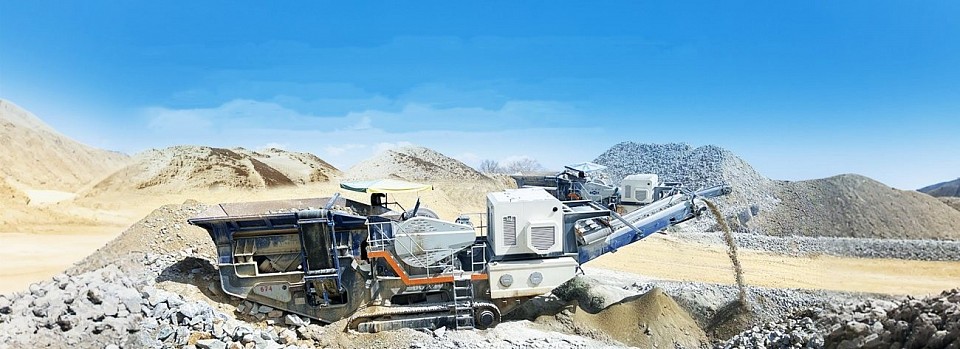
Granite is one of the hardest and most abrasive natural stones used in construction. Its compressive strength, durability, and weather resistance make it ideal for highways, railways, bridges, and high-rise buildings. However, these same properties also make granite difficult to crush efficiently. For operators aiming to maximize output in a granite crusher plant, the design and optimization of advanced crushing chambers are critical to achieving high-capacity, stable production—especially when integrated into a complete sand and aggregate production line.
The Role of Crushing Chambers in Granite Processing
In any granite crusher plant, the crushing chamber is the core working zone where material is compressed, fractured, and shaped. Whether using jaw crushers for primary crushing, cone crushers for secondary and tertiary stages, or impact crushers for shaping, chamber geometry directly influences:
Throughput capacity
Particle size distribution
Wear liner life
Energy consumption
Final aggregate quality
Because granite is highly abrasive, inefficient chamber design can quickly lead to liner wear, uneven crushing, and frequent downtime. Advanced chamber engineering addresses these challenges by optimizing material flow, crushing angles, and force distribution.
Optimized Chamber Geometry for Higher Throughput
High-capacity production requires more than simply increasing motor power. The internal profile of the crushing chamber must be designed to allow smooth material flow while maintaining effective compression.
Modern chamber designs feature:
Steeper nip angles to improve grip on large granite blocks
Multi-layer crushing zones to ensure progressive size reduction
Deep crushing cavities that accommodate larger feed sizes
Improved choke feeding design to maintain consistent material packing
These features allow a granite crusher plant to operate at full capacity without material bridging or clogging. When properly configured, advanced chambers increase hourly output while maintaining uniform product size, a crucial requirement in a sand and aggregate production line.
Multi-Stage Crushing and Chamber Matching
A high-performance granite crusher plant typically operates in multiple stages:
Primary crushing (jaw crusher)
Secondary crushing (cone crusher)
Tertiary crushing or shaping (fine cone or impact crusher)
Screening and sand-making
Each stage requires a specific chamber design optimized for its role. For example:
Primary chambers prioritize large feed acceptance and strong compressive force.
Secondary chambers focus on reduction ratio and shape control.
Tertiary chambers emphasize fine particle shaping and uniform gradation.
Proper chamber matching across stages ensures balanced production throughout the entire sand and aggregate production line. If one crusher produces excessive fine material or oversized fragments, it can disrupt downstream processes and reduce overall plant efficiency.
Advanced Materials for Wear Resistance
Granite’s high silica content causes severe wear on crusher liners. Advanced crushing chambers use premium wear-resistant materials such as high-manganese steel alloys and composite liners designed to extend service life.
Modern innovations include:
Optimized liner thickness distribution
Interlocking liner designs for stability
Replaceable modular wear components
Surface hardening technologies
By extending liner life and reducing replacement frequency, operators can minimize downtime and maintain consistent production rates. In high-capacity granite crusher plant operations, reduced maintenance interruptions significantly improve annual output and profitability.
Intelligent Automation and Chamber Control
Today’s advanced granite crusher plant systems often incorporate automation technologies that monitor chamber performance in real time. Sensors track parameters such as:
Chamber pressure
Power draw
Feed rate
Discharge size
Automated control systems adjust crusher settings to maintain optimal operating conditions. For example, if feed size increases, the system can adjust the closed-side setting to prevent overload.
This intelligent regulation is especially important in a sand and aggregate production line, where consistent particle size distribution is critical for meeting construction standards. Automation not only improves efficiency but also reduces operator error and enhances safety.
Particle Shape Optimization for Premium Aggregates
High-capacity production is not just about volume—it is also about quality. Infrastructure projects demand cubic-shaped aggregates with minimal flaky or elongated particles.
Advanced crushing chambers are engineered to promote inter-particle crushing, where stones crush against each other rather than solely against metal surfaces. This method:
Enhances particle shape
Reduces needle-like particles
Improves concrete performance
Lowers cement consumption in construction
In a well-designed sand and aggregate production line, tertiary crushing chambers play a key role in shaping granite into high-value aggregates suitable for asphalt and ready-mix concrete applications.
Energy Efficiency and Cost Reduction
Energy consumption represents a major operational cost in any granite crusher plant. Advanced chamber design contributes to energy efficiency by:
Improving crushing efficiency per kWh
Reducing unnecessary recirculation
Maintaining stable material flow
Lowering peak load stress
Efficient crushing reduces power waste and supports sustainable production goals. When integrated with optimized screening systems and conveyors, the overall sand and aggregate production line operates with improved energy performance and reduced carbon footprint.
Flexibility for Different Production Requirements
Market demand for aggregates can vary depending on project type. A granite crusher plant must often adjust output gradation to produce:
Coarse aggregates for road base
Medium aggregates for structural concrete
Fine aggregates and manufactured sand
Advanced crushing chambers are designed for adjustability. By changing liners or adjusting crusher settings, operators can quickly adapt production without major structural modifications. This flexibility is essential for contractors supplying multiple infrastructure projects simultaneously.
Conclusion
Advanced crushing chambers are fundamental to achieving high-capacity, stable, and cost-effective granite crusher plant production. Through optimized geometry, wear-resistant materials, intelligent automation, and precise multi-stage coordination, modern chamber designs significantly enhance performance.
When integrated into a complete sand and aggregate production line, these advanced systems ensure consistent particle size, superior aggregate shape, reduced energy consumption, and long-term profitability. As infrastructure development continues to expand globally, investing in innovative crushing chamber technology remains a strategic decision for aggregate producers seeking competitive advantage and sustainable growth.