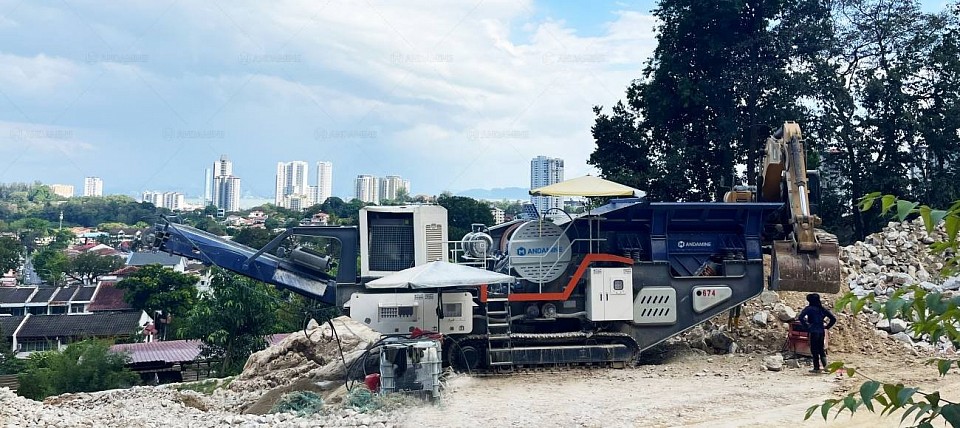
Mobile Jaw Crushing Plants
How to Maintain Consistent Feed and Output in Mobile Jaw Crushing Plants
Mobile jaw crushing plants are widely used in quarrying, mining, and construction projects due to their flexibility, efficiency, and mobility. Achieving consistent feed and output is essential for maximizing productivity and ensuring high-quality aggregates. For operators and project managers, understanding the key factors that influence material flow, machine performance, and supporting equipment can make a significant difference. Integrating a combined mobile crushing plant can further enhance efficiency by streamlining the crushing process and optimizing material handling.
1. Importance of Consistent Feed and Output
Consistent feed and output are crucial for several reasons:
Quality Control: Uniform feed ensures that the crusher produces aggregates of consistent size and shape.
Equipment Longevity: Avoiding overloading or underfeeding reduces wear and tear on components such as jaws, belts, and screens.
Operational Efficiency: Smooth material flow minimizes downtime, reduces energy consumption, and increases overall productivity.
Inconsistent feed can lead to uneven crushing, frequent blockages, and increased maintenance costs, which can disrupt project timelines.
2. Proper Material Preparation
The first step to maintaining consistent feed is material preparation. Large boulders or oversized granite chunks can jam the crusher and reduce efficiency. Using pre-screening equipment to remove fines and oversized rocks ensures that only material of the right size enters the mobile jaw crushing plant.
For projects that demand higher throughput, a combined mobile crushing plant integrates primary and secondary crushing stages, allowing operators to process material more uniformly. Pre-screened material in such setups flows more smoothly through the system, resulting in consistent output.
3. Optimizing Feed Rate
Feed rate is a key factor influencing the crusher’s performance. Operators should maintain a steady supply of material using a vibrating feeder or hopper system. Irregular feeding—either too fast or too slow—can result in:
Overloading, which causes mechanical stress and uneven crushing.
Underfeeding, which reduces production efficiency and leads to inconsistent aggregate sizes.
Modern mobile jaw crushing plants often include automated feed control systems that monitor material flow and adjust the feeder speed in real-time. In a combined mobile crushing plant, synchronized feeders between primary and secondary crushers ensure a continuous, balanced flow of material.
4. Regular Maintenance of Equipment
Consistent output relies heavily on proper equipment maintenance. Key maintenance practices include:
Jaw Plates: Inspect and replace worn jaw plates regularly to maintain optimal crushing performance.
Conveyors and Belts: Check alignment, tension, and lubrication to prevent material spillage or interruption.
Screens: Keep screening surfaces clean and free from debris to ensure accurate size separation.
Motors and Hydraulics: Regularly monitor motors, hydraulic systems, and other moving parts to prevent unexpected failures.
A well-maintained mobile jaw crushing plant operates smoothly and consistently, minimizing unplanned downtime. For a combined mobile crushing plant, coordinated maintenance schedules for both primary and secondary units help maintain uninterrupted production.
5. Monitoring and Adjusting Crushing Parameters
Operators should continually monitor key parameters such as crusher output, particle size distribution, and power consumption. Adjustments to the jaw crusher settings, feed rate, and conveyor speeds can help maintain consistent output.
Advanced mobile jaw crushing plants may include digital monitoring systems that provide real-time data on throughput, crusher load, and vibration levels. In combined mobile crushing plants, centralized control systems allow operators to adjust multiple stages simultaneously, ensuring uniform product quality.
6. Managing Material Flow and Stockpiles
Efficient material handling is critical for consistent feed. Stockpiling material near the feeder and ensuring a steady supply helps prevent fluctuations in input. Additionally, using conveyors with adjustable speeds or bypass systems allows operators to manage material flow effectively.
For startups or remote projects, a combined mobile crushing plant provides an advantage by integrating multiple crushing stages and conveyors into a single mobile unit, reducing the need for extensive material handling infrastructure.
7. Operator Training and Best Practices
Even the best equipment requires skilled operators to achieve optimal performance. Training staff to understand crushing dynamics, feeding techniques, and preventive maintenance is essential. Operators should be aware of:
Signs of overloading or blockages
Proper feeder adjustment techniques
Safe handling of raw material and crushed output
Troubleshooting minor issues to avoid production delays
Well-trained operators are crucial for maintaining consistent feed and output in mobile jaw crushing plants.
8. Environmental and Site Considerations
Site conditions can affect material flow and crusher performance. Uneven ground, moisture content, and temperature fluctuations can impact feed consistency. Implementing proper site preparation, dust suppression, and drainage systems helps maintain smooth operation.
For projects requiring high flexibility, a combined mobile crushing plant can adapt to varying site conditions without compromising performance, ensuring reliable feed and output across multiple locations.
Conclusion
Maintaining consistent feed and output in mobile jaw crushing plants is essential for achieving high-quality aggregates, operational efficiency, and equipment longevity. By focusing on material preparation, optimizing feed rates, performing regular maintenance, monitoring key parameters, and training operators, construction teams can maximize productivity and reduce downtime.
Integrating a combined mobile crushing plant further enhances efficiency by streamlining multiple crushing stages, improving material flow, and simplifying operations. Startups and established operators alike can benefit from these practices, ensuring that their mobile crushing operations deliver reliable, high-quality results across every project.