
Andamine Crushing Solutions
Andamine 4 in 1 Mobile Crushing Plant
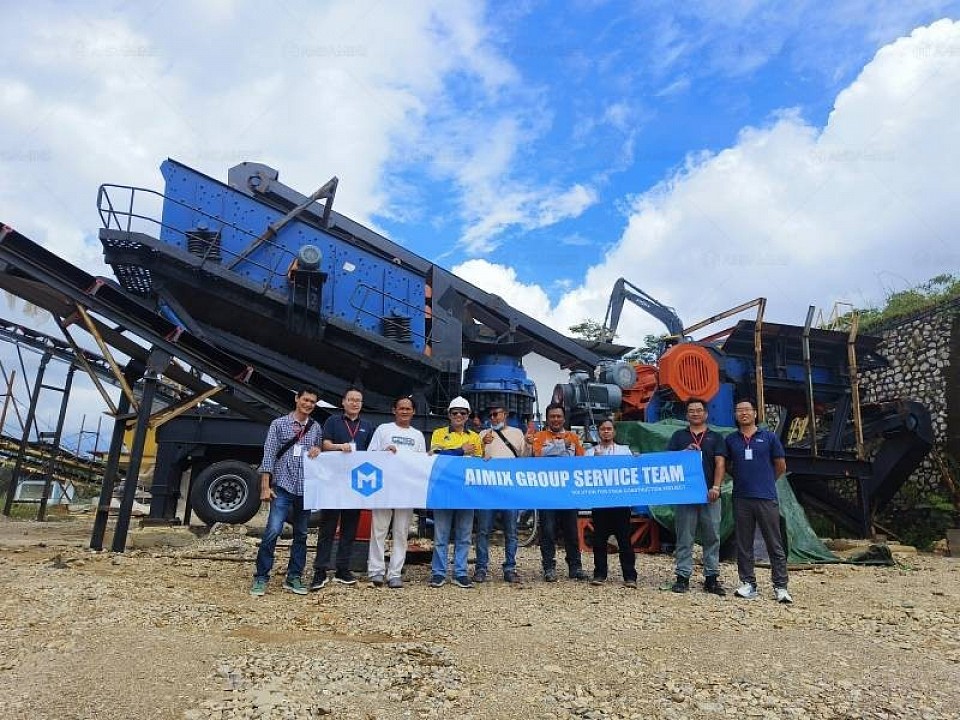
The Andamine 4-in-1 mobile crushing plant is a compact, integrated solution that combines four essential functions in one unit:
Feeding – Equipped with a vibrating feeder to ensure consistent material flow.
Crushing – A primary jaw crusher handles raw materials like concrete, stone, or ore.
Screening – Built-in vibrating screen classifies crushed materials into different sizes.
Conveying – Multiple conveyors transport finished aggregates efficiently, reducing manual handling.
Key Advantages:
Mobility: The mobile crusher plant is mounted on wheels for easy relocation between sites.
Efficiency: Simultaneous crushing, screening, and conveying reduces downtime.
Versatility: Handles a wide range of materials, from construction waste to natural stone.
Compact Design: Saves space, especially for urban or small-site projects.
Cost-Effective: Cuts transport and setup costs by integrating multiple functions into one plant.
It’s particularly suitable for urban construction, roadworks, demolition recycling, and small to medium-scale mining projects, where flexibility and quick deployment are essential.
How Modern Sensors and Automation Transform Mobile Cone Crusher Plant Operations
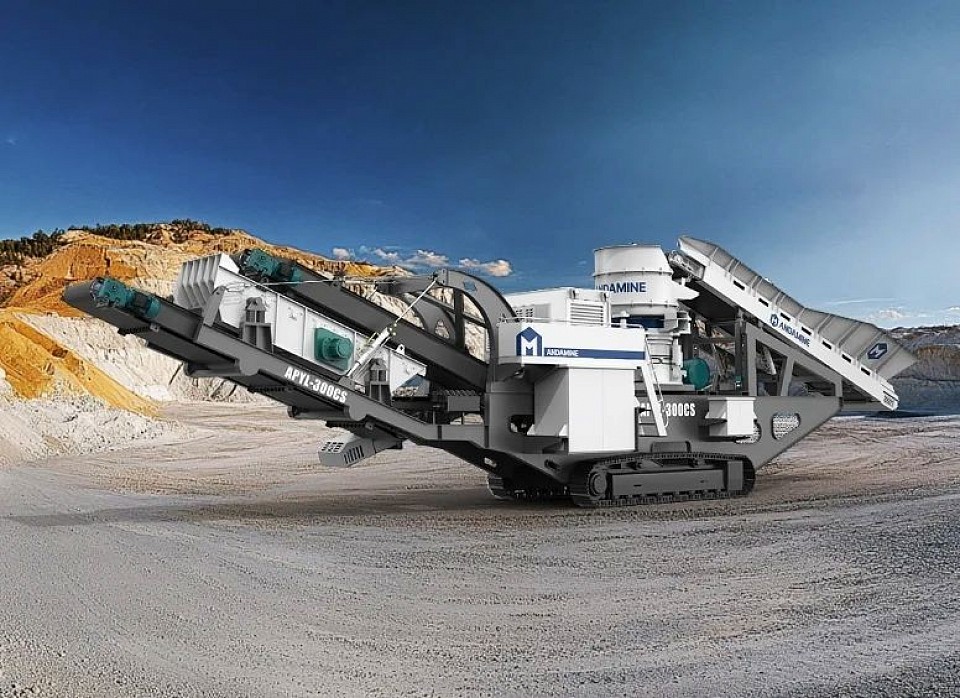
The construction and mining industries are increasingly relying on mobile cone crusher plants to efficiently process aggregates, ores, and recycled materials. Traditionally, these plants required significant manual supervision and labor to monitor operations, adjust settings, and ensure consistent output. However, modern technology is reshaping the industry. Sensors and automation systems have transformed mobile cone crusher operations, offering unprecedented precision, efficiency, and safety. For companies considering large-scale projects, integrating these technologies can also complement a combined mobile crushing plant, allowing for flexible multi-stage crushing on-site.
1. The Role of Sensors in Mobile Cone Crusher Plants
Sensors are at the heart of modern automated mobile cone crusher plants. These devices monitor key operational parameters such as feed size, material flow, vibration, temperature, and wear of components. Real-time data provided by sensors enables operators to make immediate adjustments, ensuring consistent output quality and optimal production rates.
For example, a load sensor can detect if the crusher is overloaded, automatically adjusting the feeding rate to prevent machine damage. Similarly, temperature sensors monitor hydraulic systems and bearings to prevent overheating, which can reduce downtime and maintenance costs. In the context of a combined mobile crushing plant, sensors ensure that each stage—from primary crushing to secondary or tertiary crushing—operates harmoniously, minimizing bottlenecks and improving overall efficiency.
Furthermore, vibration and displacement sensors help in predictive maintenance by identifying potential faults before they escalate. This proactive approach reduces unexpected shutdowns, extends equipment life, and ensures continuous operation, which is especially important for large-scale construction or mining projects where downtime can be costly.
2. Automation Systems and Operational Efficiency
Automation in mobile cone crusher plants refers to the integration of computerized control systems that manage feeding, crushing, and discharge operations with minimal human intervention. These systems allow operators to control the plant remotely, adjust settings for different materials, and optimize production schedules.
Automated systems provide several key advantages:
Consistent Output Quality: Automation ensures uniform particle size and shape, which is critical for construction standards and material specifications.
Reduced Labor Requirements: Fewer operators are needed to manage the plant, reducing labor costs and minimizing human error.
Optimized Energy Usage: Automated systems can adjust power consumption based on material hardness and feed rate, improving energy efficiency.
In a combined mobile crushing plant, automation becomes even more valuable. Such plants integrate multiple crusher types—such as jaw, cone, and impact crushers—on a single mobile platform. Automation ensures seamless transitions between stages, maintaining steady production and avoiding overloading any single crusher. This reduces wear and tear, maximizes output, and streamlines operations.
3. Enhanced Safety Through Technology
Safety is a critical concern in crushing operations. Mobile cone crusher plants traditionally involve risks such as flying debris, machine entanglement, and manual handling of heavy components. Modern sensors and automation mitigate these risks by minimizing direct human interaction with moving parts.
Proximity sensors, emergency stop systems, and automated feeders reduce the likelihood of accidents. Operators can monitor the plant from a safe control room, and automated alarms alert staff to anomalies such as unusual vibrations or material blockages. In the context of a combined mobile crushing plant, these technologies ensure that multiple crushers operating simultaneously remain synchronized without compromising safety, even in challenging work environments.
Additionally, automated diagnostic systems provide operators with real-time reports on equipment health, helping prevent failures that could pose safety hazards. This proactive approach not only protects personnel but also preserves valuable machinery and minimizes repair costs.
4. Improving Maintenance and Longevity
Modern sensors and automation also revolutionize maintenance strategies for mobile cone crusher plants. Predictive maintenance systems analyze sensor data to forecast component wear and recommend service before failure occurs. This approach reduces unscheduled downtime, avoids costly repairs, and extends the lifespan of critical components such as cone liners, belts, and hydraulic systems.
Automation simplifies monitoring and maintenance scheduling. For instance, a mobile cone crusher integrated into a combined mobile crushing plant can automatically log operational hours, material throughput, and maintenance needs. Managers can use this information to optimize maintenance cycles, prioritize high-wear components, and ensure that each stage of a multi-crusher setup functions efficiently.
This predictive and data-driven maintenance strategy reduces overall operating costs, enhances plant reliability, and allows companies to plan resources more effectively.
5. Benefits for Large-Scale Construction and Mining Projects
The integration of sensors and automation in mobile cone crusher plants provides significant benefits for large-scale projects. Companies can achieve higher production rates, consistent material quality, and better operational safety—all while reducing labor and energy costs.
When combined with a combined mobile crushing plant, these technologies allow for flexible, multi-stage crushing in a single mobile setup. Projects requiring multiple material sizes or varying rock hardness can be handled efficiently without relocating equipment. This flexibility is particularly valuable in mining operations, highway construction, and urban infrastructure projects, where adapting to different materials and site conditions is essential.
Ultimately, modern sensors and automation make mobile cone crusher plants a highly efficient and cost-effective solution. They enhance productivity, reduce downtime, improve safety, and support sustainable operations for companies across the construction and mining sectors.
Conclusion
Modern sensors and automation have fundamentally transformed mobile cone crusher plant operations. By providing real-time data, automated controls, and predictive maintenance, these technologies improve efficiency, consistency, and safety. When integrated into a combined mobile crushing plant, they enable seamless multi-stage crushing with minimal manual intervention, making them ideal for large-scale and complex projects.
For construction companies and mining operators, investing in sensor-equipped and automated mobile cone crusher plants is not just a technological upgrade—it is a strategic move that enhances operational efficiency, reduces costs, and ensures long-term project success.